Tracing Shifts in Reward Structures Across Digital Wagering Platforms
Tina Sullivan · Aug 8, 2026
Tracing Shifts in Reward Structures Across Digital Wagering Platforms
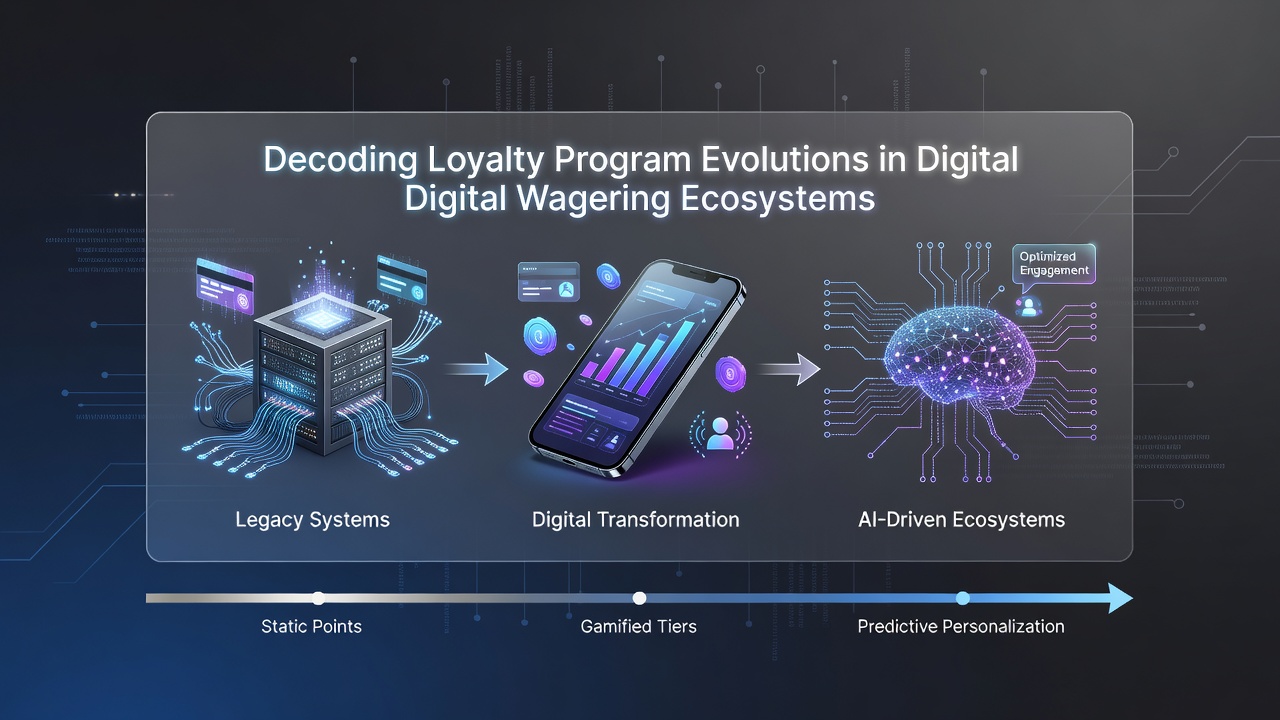
Digital wagering ecosystems have undergone notable changes in how operators structure player incentives since the early 2010s, with loyalty programs moving from basic point accumulation to multifaceted systems that incorporate data analytics, personalized offers, and cross-platform integration. These developments reflect broader industry adaptations to regulatory requirements and user engagement patterns observed in markets across North America, Europe, and Australia.
Early Frameworks and Initial Adaptations
Initial loyalty models in online betting environments relied on straightforward accumulation of points tied directly to wager volume, where participants redeemed rewards such as bonus credits or merchandise after reaching set thresholds. Observers note that these systems, common before 2015, often lacked differentiation between casual and high-volume users, leading platforms to introduce tiered structures that granted escalating benefits like faster withdrawals and dedicated support channels as activity levels increased. Research from the American Gaming Association indicates that by 2018, over 70 percent of major operators had implemented at least three distinct tiers to address retention challenges in competitive markets.
Integration of Advanced Technologies by 2026
By August 2026, loyalty frameworks in digital wagering had incorporated machine learning algorithms that adjust reward offerings based on individual betting histories and session behaviors, allowing operators to deliver targeted promotions such as customized free spins or deposit matches. Data from regulatory filings in Nevada shows that platforms utilizing these tools reported measurable increases in repeat engagement rates compared to earlier static models. Meanwhile, blockchain-based tracking emerged in select European jurisdictions, providing transparent ledgers for point verification and reducing disputes over reward eligibility. Those who study these systems point out that such technologies address previous concerns around opacity while complying with data protection standards enforced by bodies like the Australian Communications and Media Authority.
Regulatory Influences on Program Design
Government agencies in multiple regions have shaped loyalty program parameters through rules on bonus transparency and responsible gambling features. For instance, Canadian provincial regulators require clear disclosure of wagering requirements attached to loyalty redemptions, a standard that prompted operators to simplify redemption processes across mobile applications. A report issued by the Gambling Research Exchange Ontario highlights how these mandates encouraged the addition of self-exclusion tools directly into reward dashboards, enabling users to pause point accrual during cooling-off periods. In parallel, industry associations such as the European Gaming and Betting Association have documented shifts toward sustainability metrics, where programs now factor in session duration limits alongside traditional spend data.
Cross-Platform and Hybrid Reward Models
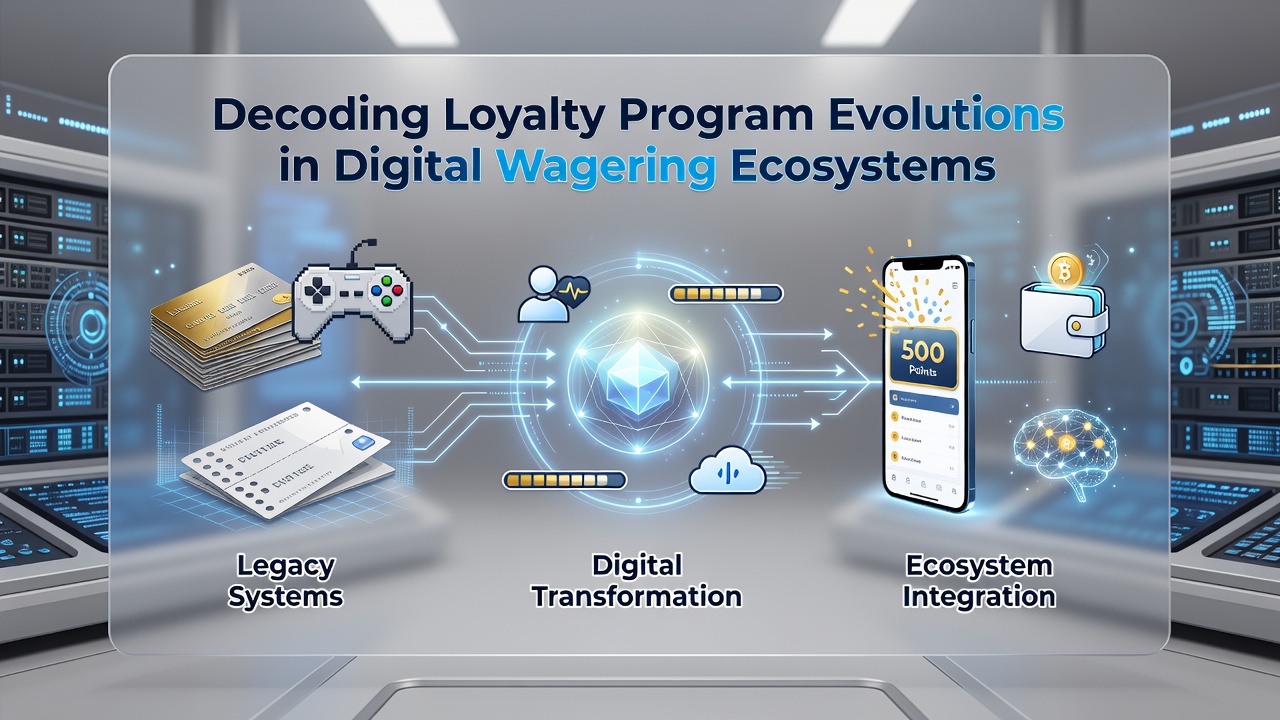
Many operators expanded loyalty initiatives to encompass both online and retail betting channels, creating unified accounts that pool activity from sportsbooks, casino sections, and live dealer experiences. This integration allows points earned through one vertical to unlock benefits in another, a feature that gained traction after 2022 as mobile usage surpassed desktop access in several jurisdictions. Studies conducted by the University of Nevada, Las Vegas Center for Gaming Research reveal that such hybrid models correlate with higher lifetime value metrics among participants who engage across multiple product types. What's notable is the emergence of partner networks, where wagering platforms collaborate with hospitality or entertainment providers to offer experiential rewards like event access, extending the reach of traditional point systems.
Impact on User Retention Patterns
Evidence from platform analytics indicates that evolved loyalty programs contribute to longer user lifecycles, particularly when combined with real-time notifications about upcoming tier advancements. Regulators in New Jersey have tracked these trends through mandatory reporting, noting that programs emphasizing non-monetary perks, such as exclusive tournament entries, often sustain engagement levels better than cash-back equivalents alone. Observers tracking the sector in August 2026 report continued experimentation with gamified elements, including progress bars and achievement badges, integrated into loyalty interfaces to mirror mechanics from adjacent entertainment sectors.
Conclusion
The evolution of loyalty programs in digital wagering ecosystems demonstrates ongoing adaptation to technological capabilities, regulatory frameworks, and shifting user expectations, with developments through August 2026 emphasizing personalization and cross-channel connectivity. Continued monitoring by academic and industry bodies will likely inform further refinements as platforms balance engagement goals with compliance obligations across global markets.