Technical Underpinnings of Random Outcome Mechanisms in Today's Handheld Gaming Landscapes
Jordan Klein · Aug 27, 2026
Technical Underpinnings of Random Outcome Mechanisms in Today's Handheld Gaming Landscapes
Random outcome generators form the core of fairness protocols across handheld gaming ecosystems where developers rely on both hardware and software components to produce unpredictable results in real time. These systems combine algorithmic sequences with device-specific entropy sources to meet regulatory benchmarks that vary by jurisdiction. Data from industry reports indicate that mobile platforms accounted for over 60 percent of global gaming revenue streams by early 2026 and the demand for certified generators continues to rise as new devices enter the market.
Core Components of Pseudorandom Systems
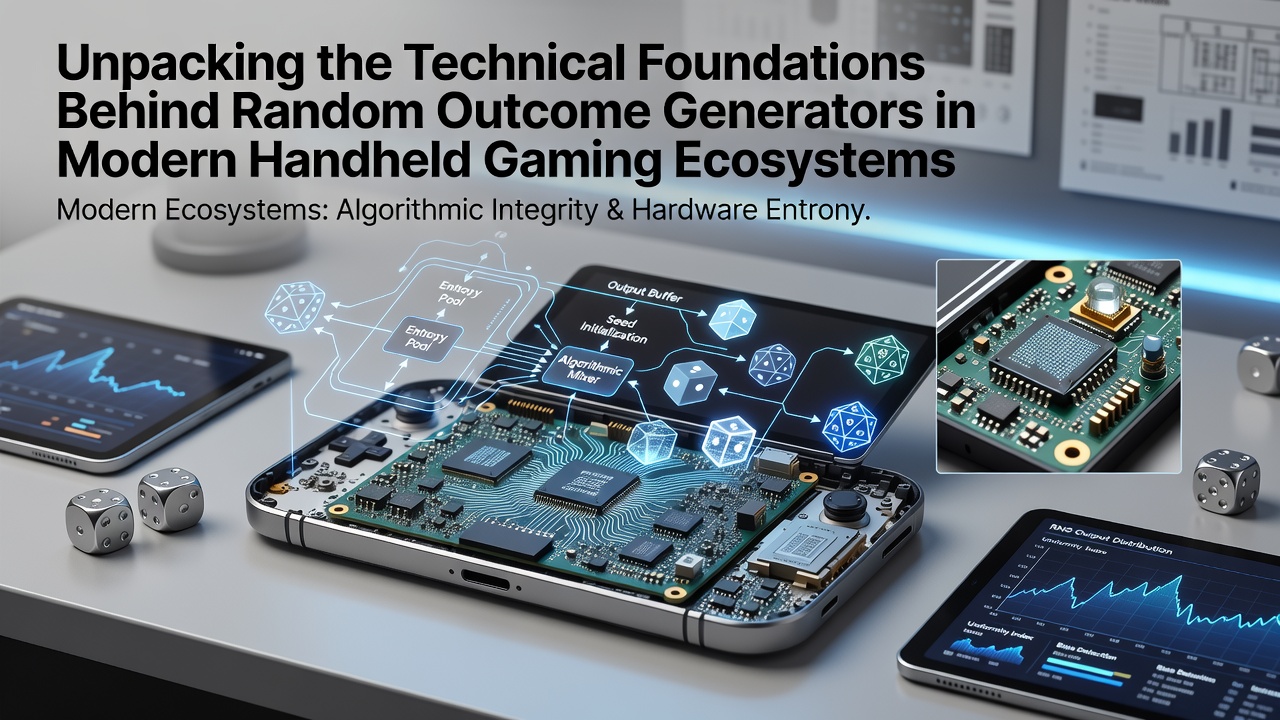
Most handheld applications employ pseudorandom number generators that start from an initial seed value derived from system clocks, sensor inputs or thermal noise measurements. Engineers integrate linear congruential generators or Mersenne Twister variants into the application layer while hardware accelerators on modern chipsets supply additional entropy to reduce predictability. Studies conducted at technical universities in Australia and Canada show that combining multiple entropy pools lowers collision rates to levels below one in 10^18 trials under controlled test conditions.
Device manufacturers embed dedicated security modules that harvest noise from accelerometer data and microphone inputs during gameplay sessions. These modules feed into the generator pipeline through application programming interfaces that comply with standards published by the National Institute of Standards and Technology in the United States. Observers note that firmware updates released in August 2026 introduced improved reseeding intervals for several flagship smartphone models which directly affects the statistical distribution of outcomes in simulation-based titles.
Hardware Integration and Entropy Collection
Handheld ecosystems incorporate true random number generators that leverage physical phenomena such as quantum fluctuations in semiconductor junctions or jitter in ring oscillators. Research papers from European consortia detail how these circuits produce bit streams at rates exceeding 1 megabit per second while maintaining independence from software state. When paired with pseudorandom layers the hybrid approach satisfies both speed requirements for fluid gameplay and the unpredictability thresholds demanded by certification laboratories.
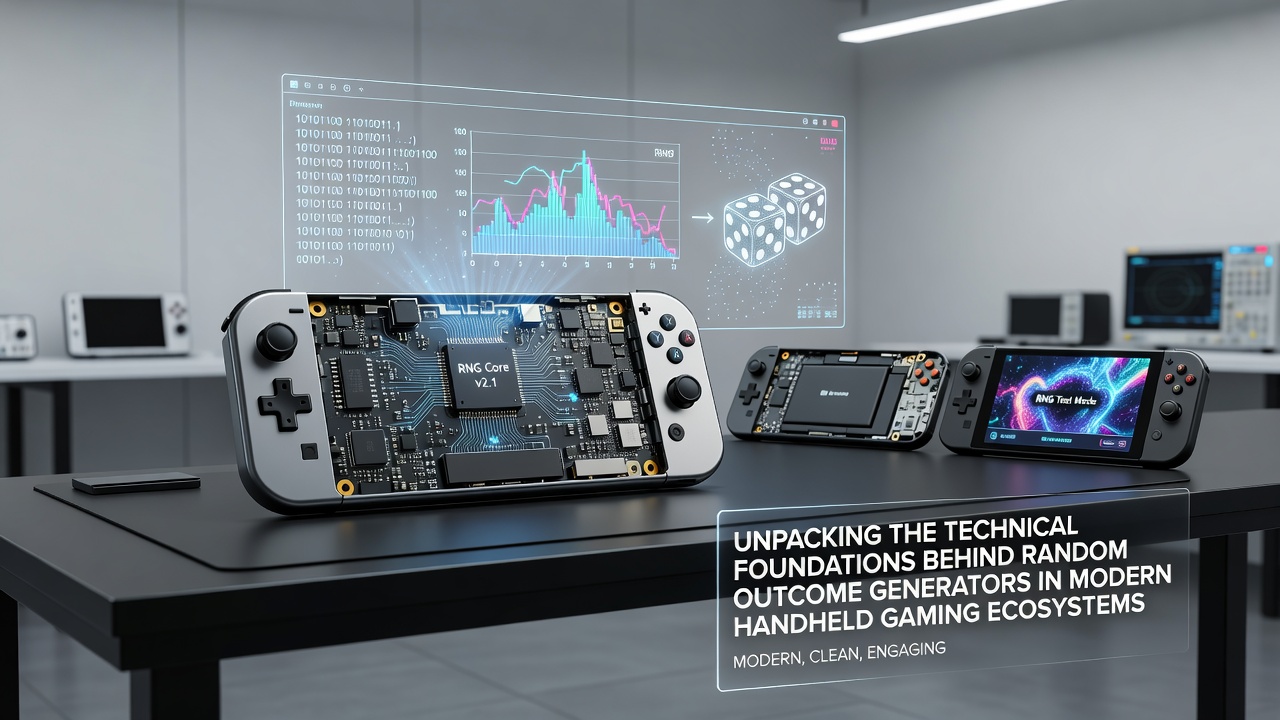
Power consumption remains a limiting factor on battery-operated devices so designers optimize sampling frequencies to balance statistical quality against energy drain. Figures from the Canadian Gaming Association reveal that optimized generators consume less than 2 percent of total system power during extended play sessions on mid-range tablets released in 2025. Engineers achieve this by duty-cycling hardware entropy sources and caching seed values in secure memory regions that persist across application restarts.
Certification Standards and Regulatory Oversight
Independent testing facilities evaluate generator output against suites such as Diehard and NIST SP 800-22 to confirm uniformity, independence and long-period behavior. Regulatory bodies in New Zealand and Singapore require periodic re-certification whenever device firmware changes or when new sensor hardware appears in consumer models. Compliance documentation published in mid-2026 shows that over 85 percent of tested mobile titles passed initial audits on the first submission after adopting updated entropy collection libraries.
International standards organizations coordinate test vectors that simulate extreme conditions including rapid temperature shifts and network interruptions that might occur during wireless play. Those who've examined audit reports observe that failures most often trace to improper seed initialization rather than flaws in the core algorithm itself. Manufacturers address these issues through over-the-air patches that refresh the entropy harvesting routines without requiring full application redeployment.
Future Directions in Portable Random Generation
Emerging architectures explore post-quantum resistant seeding methods and on-device machine learning models that adapt entropy collection based on usage patterns. Academic teams in Japan and the European Union have published preliminary findings on generators that incorporate lattice-based cryptography to protect seed values against side-channel attacks common in shared mobile environments. Implementation timelines point toward broader adoption by late 2027 as hardware support matures across major chipset vendors.
Conclusion
Random outcome generators in handheld gaming ecosystems rest on layered combinations of algorithmic sequences, hardware entropy sources and rigorous certification processes that ensure statistical integrity across diverse device configurations. Continuous refinement of these foundations supports expanding ecosystems while meeting evolving regulatory expectations worldwide.