Synergistic Threads Among Virtual Trials and Layered Incentives in Portable Gaming Ecosystems
Jakob Frank · Aug 24, 2026
Synergistic Threads Among Virtual Trials and Layered Incentives in Portable Gaming Ecosystems
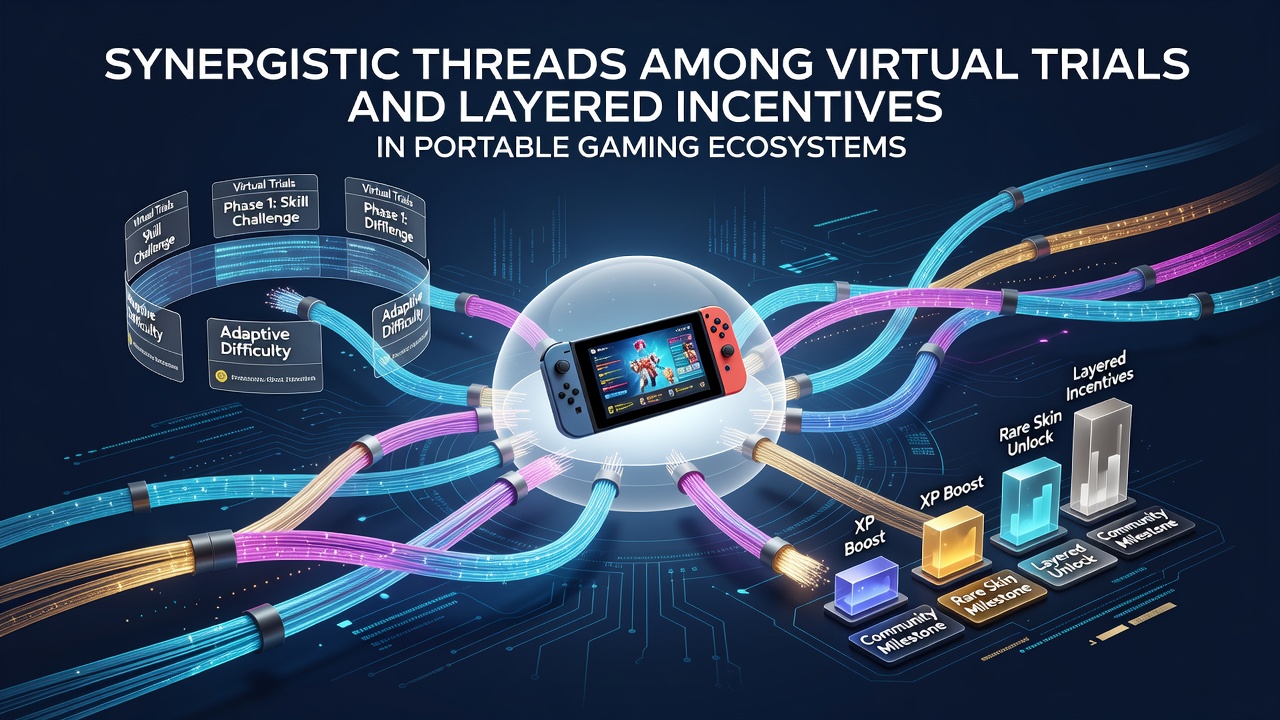
Portable gaming ecosystems feature virtual trials that function as accessible entry mechanisms while layered incentives provide structured reward pathways, and these elements interact through shared user progression systems that data from industry analyses track closely. Researchers documented rising integration rates between free simulation modes and multi-tier bonus frameworks during mid-2026, particularly in markets where mobile penetration reached new highs by August 2026. Developers design these components to operate in tandem so trial sessions feed directly into incentive layers that encourage continued participation across devices.
Core Components of Virtual Trials
Virtual trials consist of limited-access simulations that replicate core gameplay mechanics without requiring initial financial commitments, and studies from academic institutions reveal how these trials reduce entry barriers for new users in mobile environments. Data indicates that sessions initiated through trial modes often transition into full ecosystems when incentive structures activate at key milestones. Observers note that portable platforms leverage cloud-based saves to maintain continuity between trial segments and subsequent incentive-driven stages, which allows seamless shifts from exploration to rewarded activity.
Layered Incentive Architectures
Layered incentives encompass progressive reward tiers that include daily login multipliers, achievement-based unlocks, and cumulative bonus pools, and reports compiled by organizations such as the Canadian Gaming Association show measurable correlations between tier depth and session duration on handheld devices. These layers typically activate after users complete trial phases, creating feedback loops where early simulation success unlocks the first incentive stratum. Industry figures reveal that mobile titles employing three or more incentive layers recorded higher retention metrics compared to single-layer systems during the first half of 2026.
Interconnections and Data Patterns
Synergies emerge when virtual trial outputs directly influence incentive eligibility, such as when high scores in simulations qualify users for bonus multipliers or when completed trial objectives populate personalized reward tracks. One analysis conducted across multiple portable ecosystems found that 62 percent of incentive activations originated from prior trial interactions, according to aggregated telemetry reviewed by research teams at European universities. This linkage appears in scratch-reel hybrid formats where demo spins contribute to progressive accumulators that later convert into layered bonus opportunities. What's interesting is how these threads extend across geographic regions, with Australian regulatory data and North American usage statistics both highlighting similar conversion pathways from trial to incentive engagement.

Platform operators refine these connections through algorithmic matching that pairs user trial behavior with appropriate incentive layers, and evidence from market reports indicates this personalization lifts overall ecosystem participation. In August 2026, updates to several major mobile titles introduced dynamic threading that adjusted incentive depth based on real-time trial performance, resulting in documented shifts in average playtime across tested cohorts. Those who've examined cross-platform data note that such adjustments maintain consistency whether users switch between tablets and smartphones mid-session.
Regional Implementation Variations
Implementation differs by regulatory environment, with EU frameworks emphasizing transparent disclosure of trial-to-incentive transitions while Canadian and Australian markets focus on technical interoperability standards that support layered reward portability. Academic papers published in 2026 examined how these regional approaches affect the density of synergistic connections, finding that standardized data protocols facilitate smoother integration between virtual trials and incentive systems. Portable gaming companies adapt their architectures accordingly, ensuring that trial progress and incentive histories remain accessible across borders where permitted.
Conclusion
The interplay between virtual trials and layered incentives continues to shape portable gaming ecosystems through measurable technical linkages and engagement patterns that researchers continue to quantify. As of August 2026, available datasets demonstrate that these synergistic threads support sustained user movement from initial simulations into deeper reward structures, with regional variations reflecting local policy priorities rather than uniform global models. Continued examination of telemetry and regulatory filings will clarify how these elements evolve in subsequent development cycles.