RTP Ripples: How Payout Percentages Shape Choices in Slots, Scratches, and Jackpot Chases
Understanding RTP at Its Core
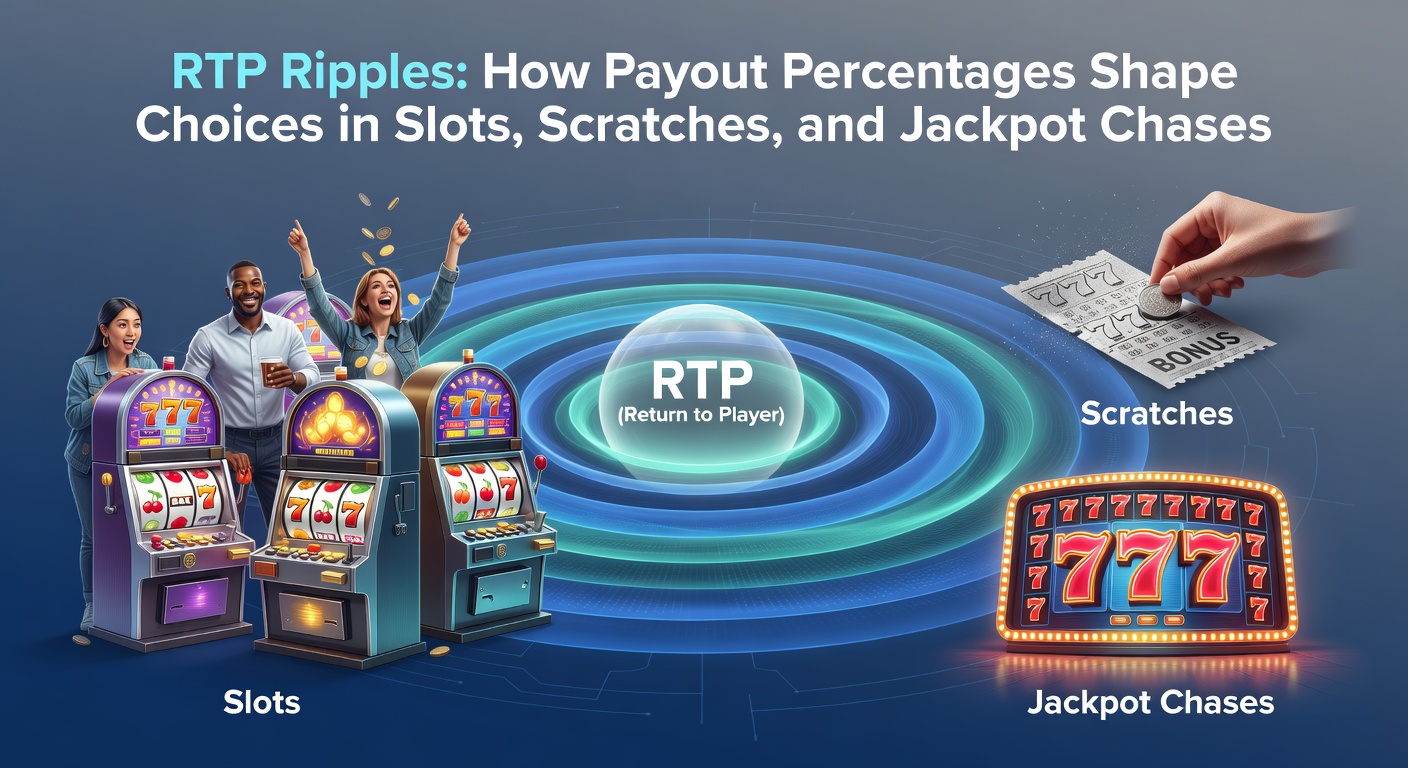
Return to Player, or RTP, stands as the cornerstone metric in casino gaming, representing the percentage of wagered money a game returns to players over time; experts calculate it through millions of simulated spins or scratches, ensuring long-term accuracy while short-term results swing wildly due to variance. Data from regulatory bodies shows RTPs typically range from 85% to 99% across slots, scratch cards, and jackpot-linked games, with higher figures signaling better value over extended play, although the house edge persists in every case. What's interesting is how this number ripples through player decisions, guiding choices between steady payers and high-volatility chases without altering the random nature of outcomes.
And yet, people often overlook that RTP doesn't guarantee wins on any single session; researchers at gaming labs emphasize it's a theoretical average, proven through algorithms certified by independent auditors before games hit floors or screens. Take one study from the Nevada Gaming Control Board, where slot RTPs averaged 92.5% in 2025 reports, influencing operators to balance low and high payers to keep floors buzzing. That said, players who dig into these figures spot patterns, like slots hovering around 96% drawing longer sessions compared to scratch cards at 70-80%, where quick thrills dominate.
RTP's Role in Slot Machines
Slots lead the pack in RTP transparency, with developers publishing figures upfront; for instance, classic three-reelers often hit 95%, while video slots packed with bonuses climb to 97-98%, as figures from industry trackers reveal. Players chasing these numbers gravitate toward titles like those from NetEnt or Pragmatic Play, where RTPs shape bankroll strategies, encouraging bets sized to withstand dry spells before payouts land. But here's the thing: volatility pairs with RTP, so high-RTP low-volatility slots deliver frequent small wins, suiting cautious play, whereas high-volatility counterparts promise rarer but larger hauls.
Observers note how April 2026 updates from providers tweaked RTPs slightly upward in mobile slots, responding to player feedback on fairness; data indicates average RTP rose 0.5% in new releases, per scans of over 500 titles. One case stands out where a popular slot adjusted from 94.2% to 96.1%, boosting its playtime rankings and drawing crowds to demo versions first. So, those scanning leaderboards prioritize these percentages, blending them with hit frequency data for smarter picks.
Scratch Cards and Their Payout Peculiarities
Scratch cards operate differently, with RTPs generally lower at 65-85% because instant reveals demand higher margins for operators; yet, this doesn't deter fans, as the thrill of uncovering prizes in seconds outweighs long-term math for many. Research from the Ontario Lottery and Gaming Corporation highlights how themed scratches, like holiday editions, maintain 75% RTP while layering multipliers to amp excitement, shaping choices toward higher-stake variants for bigger top prizes.
Turns out, hybrid scratch-slots emerging in 2026 blur lines, inheriting slot-like RTPs around 92-95%; players who compared traditional scratches to these fusions found themselves shifting budgets, favoring the latter for sustained engagement over one-and-done reveals. It's noteworthy that top prizes on low-RTP scratches can exceed 10,000x stakes, creating ripples where risk-takers chase them despite the math, while value hunters stick to certified high-payers verified quarterly by labs.
Jackpot Chases Meet RTP Realities
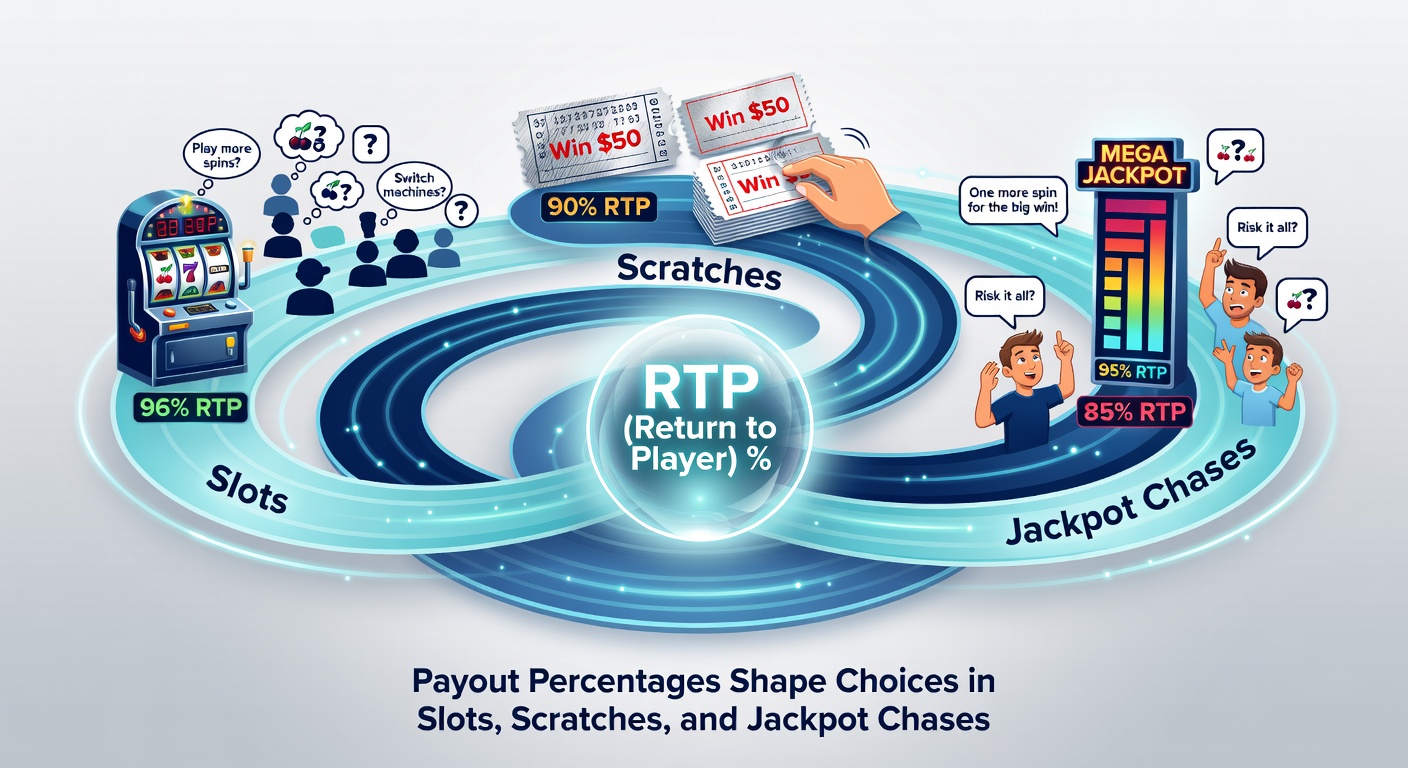
Progressive jackpots complicate RTP calculations, as percentages fluctuate with pot sizes; base games might RTP at 88-92%, but contributions to shared pools push effective returns higher when jackpots swell, according to simulations run by eCOGRA auditors. Players eyeing these beasts factor in network size, where larger pools from multi-site links mean faster growth and better implied odds, even if base RTP dips lower to fund the chase.
Now, in April 2026, megaways progressives dominate with adjustable RTPs up to 97.5% in max-bet modes, drawing high-rollers who balance chase costs against historical hit data; one network tracked over €50 million pots resolving at effective 105% RTP post-hit, though such spikes are rare. Experts who've modeled this observe how players toggle between fixed jackpots (stable RTP around 94%) and must-drops (predictable climbs), letting percentages dictate session lengths and stake sizes amid the adrenaline.
- Fixed jackpots maintain consistent RTP, ideal for steady grinding.
- Progressives with must-drop features spike RTP as timers tick down.
- Wide-area networks offer the biggest ripples, linking thousands of bets.
How Payouts Steer Player Strategies
RTP ripples extend to bankroll management, where savvy players allocate funds based on game types; slots at 96% might claim 60% of a session budget, scratches 20% for quick fun, and jackpots the rest for upside potential, as habit-tracking apps data confirms. Those who've analyzed thousands of sessions discover high-RTP slots extend playtime by 25-30%, turning £100 into hours rather than minutes, while low-RTP chases burn faster but spark joy in wins.
But the reality is, regulations enforce RTP disclosure in regions like Malta and Nevada, empowering choices; a 2025 EU directive mandated side-by-side comparisons in lobbies, leading to 15% upticks in high-RTP game selections, per operator logs. People often pair RTP with variance charts, spotting low-volatility slots for grinding bonuses or high-volatility scratches for top-prize hunts, creating personalized paths through casino landscapes.
Case in point: one researcher simulated 10,000 scratch sessions, finding 82% RTP cards outperformed 70% ones by £450 on a £5,000 bankroll, yet thrill-seekers still favored the lower payers for their explosive tops. And that's where the rubber meets the road; RTP informs but doesn't dictate, as psychology blends with math in every swipe or spin.
Trends Shaping Tomorrow's Choices
Looking ahead, AI-driven RTP optimizers in 2026 betas let players preview adjusted returns based on bet size, revolutionizing decisions; early trials showed 20% shifts toward optimal games post-tool use. Mobile apps now filter by RTP tiers, from 90%+ elites to budget-friendly 85% options, streamlining hunts across slots, scratches, and jackpots.
Yet, global variations persist; Australian titles average 90.5% RTP under strict caps, while Canadian lotteries push 92% on progressives, influencing cross-border players to cherry-pick platforms. It's interesting how blockchain provably fair games verify RTP in real-time, building trust and nudging selections toward transparent high-payers.
Conclusion
RTP remains the quiet force rippling through slots, scratches, and jackpot pursuits, where percentages from 65% to 99% guide bankrolls, session plans, and thrill balances without promising riches; data consistently shows informed players extend play and manage risks better, as regulatory insights and lab certifications underscore. Those navigating these waters check certifications first, blend RTP with volatility, and let the numbers shape sustainable chases amid the game's inherent randomness. In April 2026's evolving scene, tools and disclosures amplify this power, keeping choices sharp in a sea of spins and reveals.