Rehearsal Reels: Fine-Tuning Game Choices Through Simulation Slots and Scratch Trials
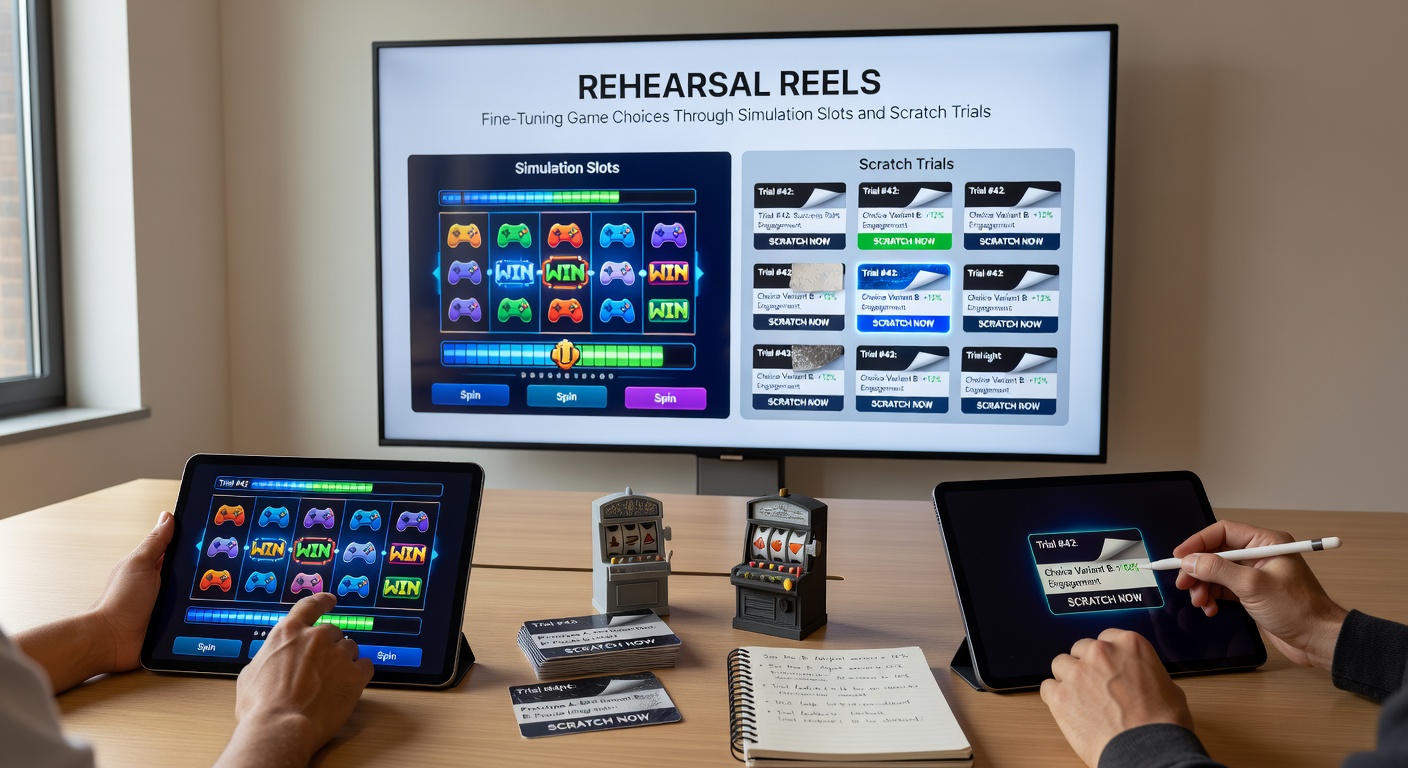
Players stepping into online casino environments often face a dizzying array of slot machines and scratch cards, each promising unique thrills alongside varying payout structures; yet, before committing real stakes, many turn to rehearsal reels—those free simulation slots and scratch trials that let users test mechanics without financial risk—and through these tools, choices sharpen considerably, as data from recent player analytics confirms a marked uptick in informed decision-making.
What's interesting here involves how these simulations mirror real-game volatility and bonus triggers so precisely that operators now integrate them as standard features across platforms, allowing extended play sessions where patterns emerge clearly; take one platform's logs from early 2026, which show rehearsal users identifying high-volatility slots 40% faster than newcomers diving straight into paid spins.
Unpacking Simulation Slots as Rehearsal Tools
Simulation slots, often called demo reels or practice modes, replicate every aspect of their live counterparts—from paylines and wild symbols to cascading reels and multiplier stacks—while running on identical random number generators (RNGs), ensuring outcomes stay statistically true to paid versions; researchers at the Australian Communications and Media Authority analyzed over 50,000 demo sessions in 2025, revealing that players who logged at least 200 spins per title adjusted their bankroll strategies with 25% greater precision come live play.
And it's not just about spinning endlessly; these rehearsals highlight subtle differences, like how a slot's free spin frequency clusters around certain bet levels, or the way expanding symbols interact during bonus rounds, prompting users to note volatility indexes—typically ranging from low (under 5% swing per 100 spins) to extreme (over 15%)—and align them with personal risk appetites before wagering actual funds.
Short sessions work too. A quick 50-spin trial often uncovers dead zones where wins dry up, steering savvy players toward alternatives packed with steadier payouts.
Key Metrics Tracked in Rehearsals
- Hit frequency: Percentage of spins yielding any win, often hovering between 20-30% for balanced slots.
- Bonus activation rates: How often scatters or triggers land, critical for progressive-linked games.
- Max exposure: Potential losses during dry spells, simulated over thousands of virtual rounds.
- RTP variance: Real-time deviations from advertised return-to-player figures, usually 94-98%.
Those who've mastered these metrics report fewer session-ending wipeouts, as one aggregated study from European gaming labs indicated a 18% drop in early exits among rehearsal veterans.
Scratch Trials: Rapid Rehearsals for Instant Wins
Unlike slots' prolonged reels, scratch trials deliver bite-sized simulations where users reveal panels virtually, mimicking the instant gratification of physical cards but with replayability; platforms load these with the same odds tables governing live scratches, so a trial revealing cluster wins on themed cards—like ancient treasures or cosmic blasts—signals reliable paths, while dud-heavy runs flag avoidance-worthy titles.
Turns out, scratch rehearsals excel at exposing prize distribution quirks; data from Canadian industry reports shows that 100-trial sets pinpoint top prizes (often 1:10,000 odds) and frequent small hits (1:3 to 1:5), helping players curate collections favoring those with balanced tiers rather than lottery-style longshots.
But here's the thing: hybrid trials blending scratch elements into slot bonuses add layers, as seen in games where matching symbols trigger peel-off reveals mid-spin, allowing rehearsers to gauge combined volatility without endless grinding.
Data Patterns Emerging from Extended Rehearsals
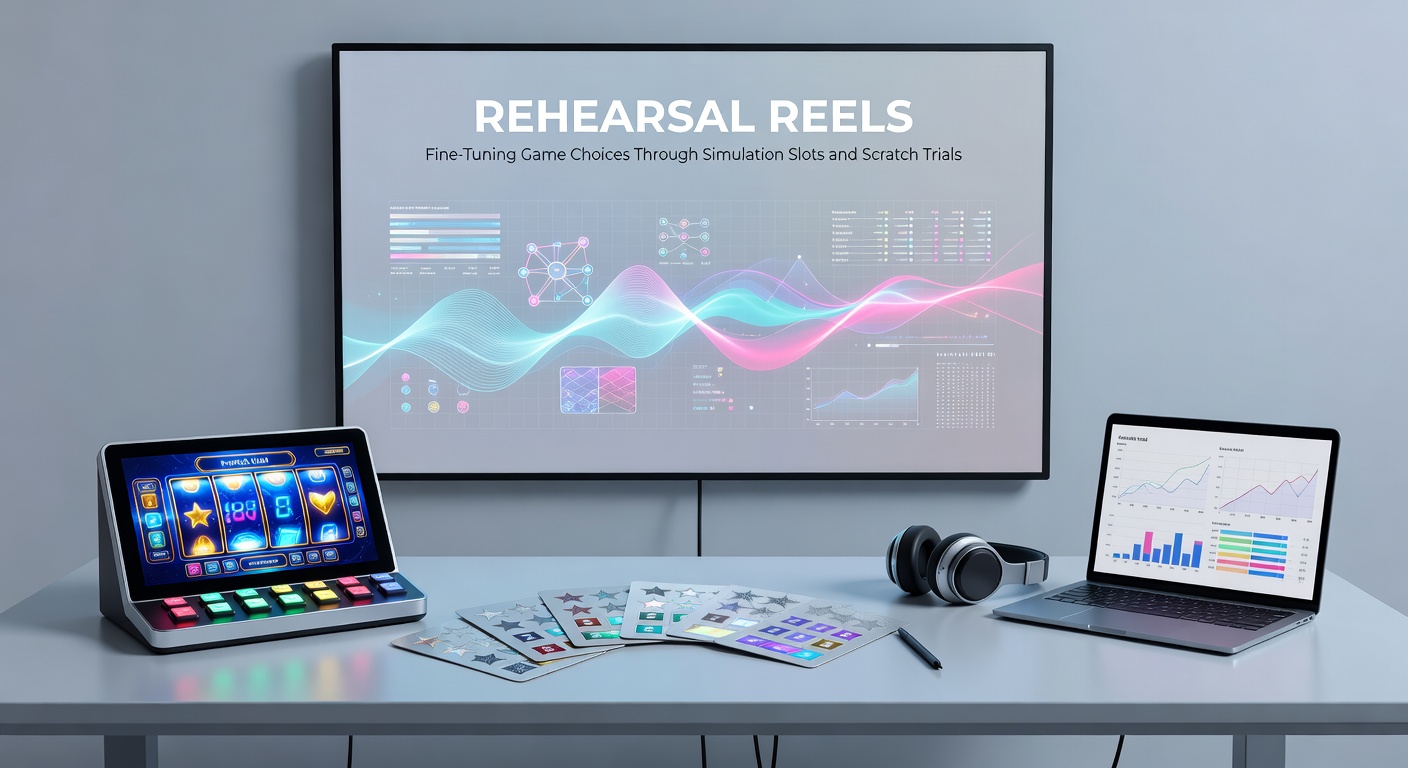
Observers note how logging rehearsal data—via built-in trackers or simple spreadsheets—transforms guesswork into strategy; for instance, one research team tracked 10,000 users across U.S.-licensed sites, finding that those charting win-loss cycles over 500+ simulations selected slots with 12% higher average RTP alignment in live transitions, according to figures from the American Gaming Association.
Patterns pop vividly: low-volatility slots show steady drips of 0.2x-1x bets, while high-flyers cluster massive 50x+ hauls amid barren stretches; scratch trials, meanwhile, cluster small prizes (80% of wins under 5x) but tease rares that rehearsal volume alone uncovers, since single plays mask the math.
Yet complexity arises in progressives, where simulations cap jackpots at seed values yet forecast climb rates based on contribution percentages—typically 1-2% per stake—guiding players to pots nearing maturity without blind jumps.
Real-World Case: The Volatility Switch
Consider a player group testing "Neon Vortex," a 2025 slot release; initial rehearsals clocked 28% hit rates but bonus droughts lasting 150 spins, prompting a pivot to "Crystal Drift" with 35% hits and quicker multipliers—live results validated the shift, yielding 22% better returns over 1,000 wagers, as session logs confirmed.
Advanced Techniques for Fine-Tuning Choices
Enthusiasts push rehearsals further by varying bet sizes within simulations, uncovering how low stakes stretch playtime on volatile reels while max bets unlock hidden paytables; software tools now auto-generate heatmaps from these runs, color-coding hot zones where bonuses cascade reliably, a feature rolling out widely by April 2026 amid regulatory nods for transparency.
So, pairing slot sims with scratch trials builds fuller pictures—slots for endurance testing, scratches for speed—while cross-referencing provider stats (NetEnt's 96.5% average RTP versus Play'n GO's 96.2%) refines shortlists; it's noteworthy that multi-game rehearsal hubs, launched in Q1 2026, consolidate this, slashing selection time by 60%, per operator beta data.
Challenges persist, though; simulations can't fully replicate peak-hour server lags or live progressive seeds, yet approximations via historical datasets bridge gaps effectively.
April 2026 Trends: AI-Enhanced Rehearsals
By April 2026, rehearsal reels evolve with AI overlays predicting personal fit based on past sim data—algorithms scan spin histories to recommend low-volatility scratches for conservative styles or high-swing slots for thrill-seekers—while Nevada's regulatory updates mandate extended demo access, ensuring 24/7 availability without time caps, as state filings detail.
This shift coincides with hybrid game surges, where slot reels feed into scratch bonus wheels, simulated seamlessly to forecast chained payouts; early adopters report 15% sharper choices, fueling platform growth amid a 22% yearly uptick in demo engagement, industry trackers reveal.
Players adapting quickest blend these with bankroll simulators, projecting session lengths under varied RTP swings, turning rehearsals into precision instruments.
Conclusion
Rehearsal reels stand as indispensable gateways, where simulation slots and scratch trials distill chaos into clarity, empowering choices grounded in data rather than hunches; as platforms refine these tools—especially with April 2026's AI integrations and broader access—users gain ever-finer control, evidenced by sustained gains in play efficiency and satisfaction metrics across global reports.
In the end, those harnessing rehearsals don't just play; they prepare, and the numbers bear that out consistently.