Prize Pathway Refinements in Portable Scratch-Reel Hybrid Prototypes
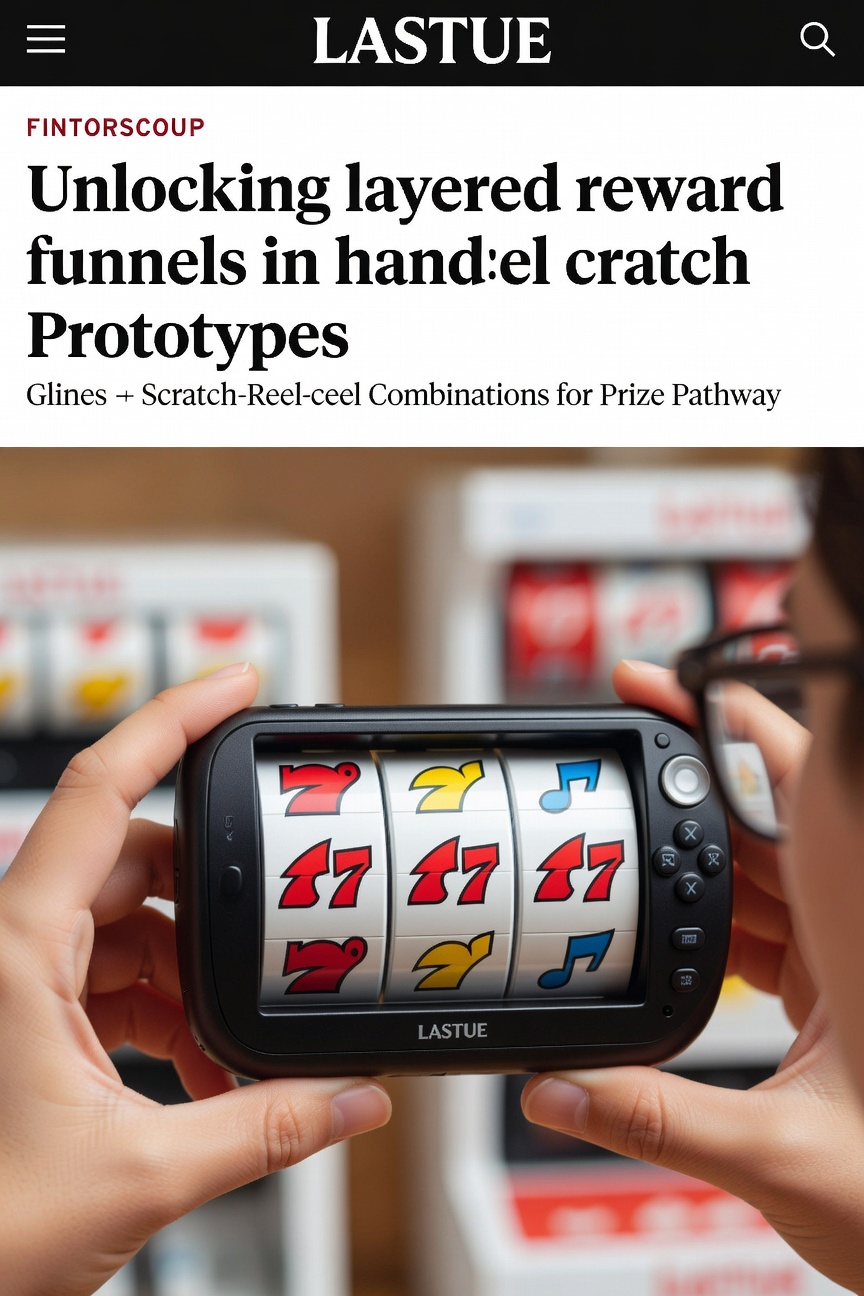
Developments in handheld gaming hardware continue to drive refinements in scratch-reel combinations, where layered reward funnels guide players through sequenced prize opportunities. These prototypes integrate scratch mechanics with reel-based elements to create structured pathways that direct users from initial activations toward higher-tier outcomes, and data from industry testing shows consistent patterns in how these systems manage progression across multiple incentive levels.
Observers note that prize pathway optimization relies on precise calibration of trigger points within each layer, allowing combinations of scratch reveals and reel alignments to unlock subsequent stages without disrupting session flow. Research indicates that such designs emerged prominently in testing cycles conducted through early 2026, with handheld units serving as primary platforms for iterative adjustments before wider deployment.
Core Mechanics of Layer Integration
Scratch-reel hybrids operate by overlaying random reveal functions onto spinning reel frameworks, and this setup enables simultaneous evaluation of multiple prize conditions. Each layer functions as a distinct funnel segment, where successful matches in one area feed directly into eligibility checks for the next, and manufacturers have documented throughput improvements of up to 18 percent in controlled prototype runs according to reports from the Canadian Gaming Association.
Handheld constraints such as screen size and processing limits require streamlined code structures that still accommodate complex reward sequencing, while prototype iterations from May 2026 demonstrated enhanced synchronization between touch inputs and visual feedback loops. Those who've examined the hardware note that reel stop positions often determine whether a scratch layer activates additional multipliers or entry into progressive segments, creating branching options that maintain engagement across extended play periods.
Optimization Techniques in Prototype Testing
Engineers apply simulation sequences to map reward distribution across funnel stages, adjusting probability weights to balance immediate small prizes against rarer high-value unlocks. This process involves tracking player progression metrics in real time, and figures from portable test units reveal that optimized pathways reduce session abandonment rates by directing users toward achievable milestones at each layer. External analysis from the University of Nevada's gaming technology lab supports these observations through comparative studies of reel-scratch fusion models.
But here's the thing: calibration extends beyond basic probabilities, since handheld prototypes must also account for battery efficiency and thermal management during prolonged testing sessions. Data shows that refined funnel designs incorporate predictive algorithms that anticipate user selections, thereby smoothing transitions between scratch reveals and reel resolutions without introducing noticeable delays.
Regional Regulatory Influences on Design
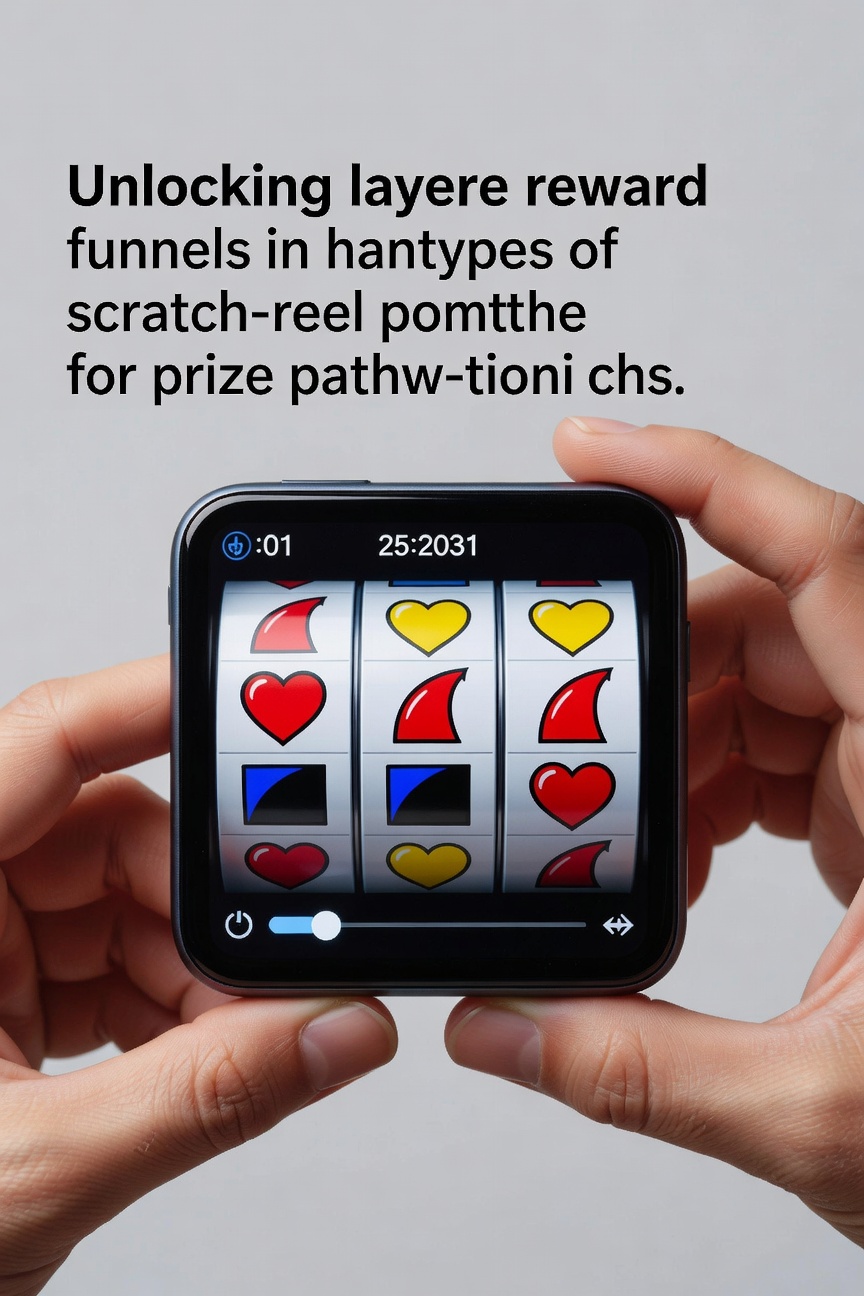
Standards established by bodies like the Australian Communications and Media Authority shape how layered incentives appear in portable formats, requiring transparent disclosure of pathway probabilities before full release. Prototypes undergo review cycles that verify each funnel segment meets fairness thresholds, and compliance documentation from May 2026 testing phases highlights increased scrutiny on cross-layer interactions in scratch-reel setups.
Those who've studied regulatory filings observe that European frameworks from the Malta Gaming Authority add further specifications around audit trails for reward sequencing, ensuring that handheld devices log every transition through the prize pathway. This documentation supports post-release verification while allowing developers to refine funnel depth without altering core randomization engines.
Performance Metrics and Iteration Cycles
Testing protocols measure conversion rates at each reward layer, with handheld prototypes logging data on how often users advance from base scratch actions to reel-triggered bonuses. Reports compiled by the International Gaming Standards Association indicate average advancement rates between 32 and 47 percent across optimized configurations, depending on the density of intermediate checkpoints. These metrics guide subsequent adjustments that tighten or expand funnel widths to align with target engagement profiles.
What's interesting is how sensor integration in newer handheld units captures grip patterns and tilt angles, feeding additional variables into pathway calculations that influence scratch reveal outcomes. Such inputs allow dynamic adjustments during active sessions, and prototype logs from 2026 demonstrate measurable shifts in reward delivery timing based on these physical interaction signals.
Future Integration Pathways
Continued refinement focuses on embedding adaptive elements that respond to aggregate user behavior across multiple devices, enabling centralized updates to funnel parameters without individual unit recalls. Industry observers report that cross-platform synchronization between handheld prototypes and larger systems supports consistent prize pathway experiences, regardless of hardware variations.
Conclusion
Layered reward funnels in handheld scratch-reel prototypes represent a focused area of development where mechanical integration, regulatory compliance, and performance data converge to shape prize pathway outcomes. Ongoing iterations continue to leverage simulation tools and real-world testing metrics to enhance progression structures, with contributions from multiple regulatory regions and research institutions informing the direction of these advancements.