Mobile Scratch Cards Evolving: Free Demos Fuel the Hunt for Progressive Jackpots
The Surge of Scratch Cards on Mobile Devices
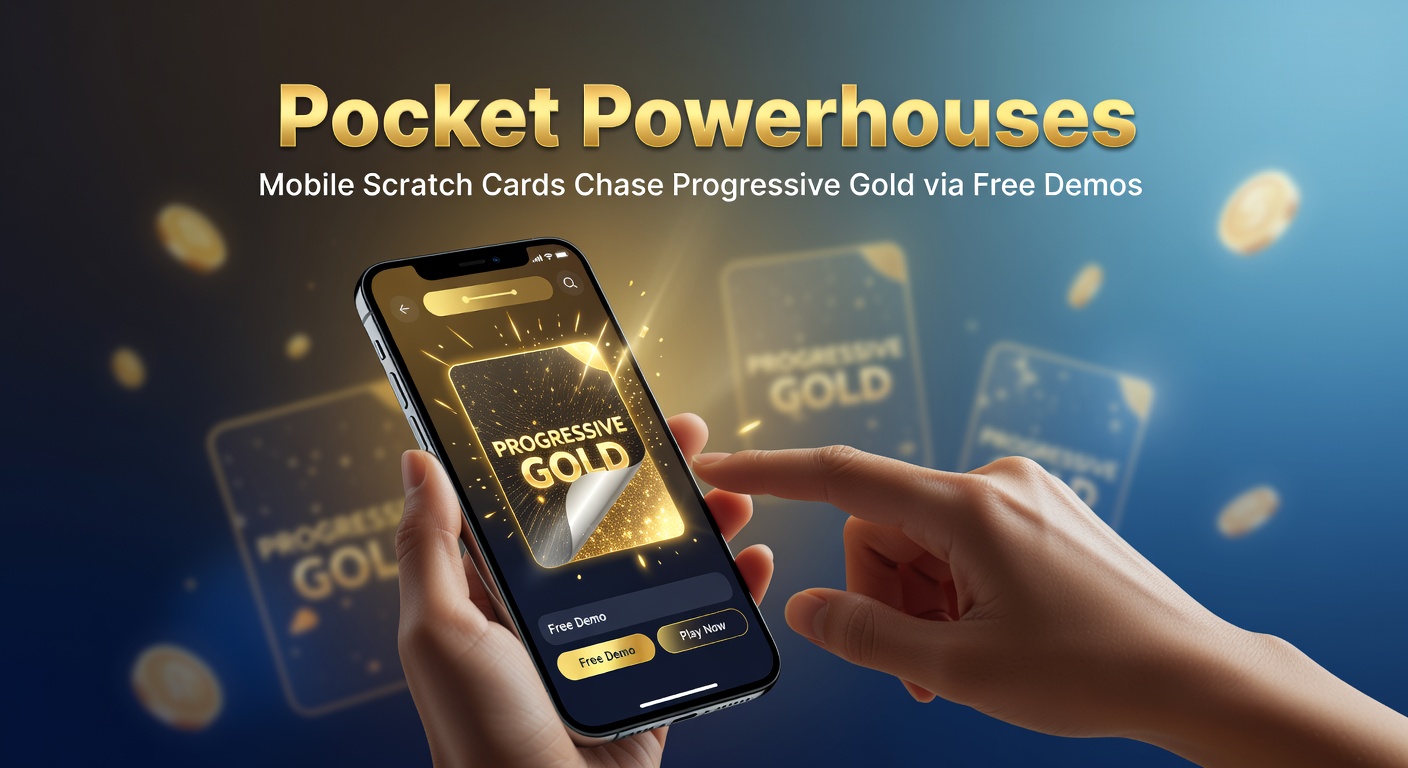
Mobile scratch cards have transformed from simple web curiosities into powerhouse attractions within online gaming platforms, where players scratch away digital layers to reveal prizes that climb steadily toward massive payouts. Developers craft these games with touch-friendly interfaces that mimic physical cards, allowing swipes and taps to uncover symbols, multipliers, and bonuses; yet what's driving their explosive growth lies in the integration of progressive jackpots, those ever-growing pots funded by contributions from every wager across networks of players. Free demos play a pivotal role here, offering unrestricted access to practice modes that let users explore mechanics without financial risk, and as figures from early 2026 reveal, downloads of these demo apps spiked by 45% in the first quarter alone.
Take one platform that rolled out enhanced mobile scratch titles in late 2025; within months, active users jumped threefold because demos bridged the gap between curiosity and commitment, teaching players how jackpot meters fill based on collective bets while highlighting win probabilities in real time. Observers note how this approach demystifies the chase, showing exactly when pots hit thresholds ripe for pursuit, and that's where the pocket powerhouse label sticks, since these games pack casino-level excitement into devices smaller than a deck of cards.
Progressive Jackpots Demystified in the Mobile Scratch Realm
Progressive jackpots in scratch cards operate differently from fixed-prize versions, pooling a percentage of each ticket's stake into a central fund that escalates until someone triggers the top prize; networks link multiple games or sites, so a single swipe in one title contributes to pots shared globally, creating chases that span continents and build sums into the millions. Data from the American Gaming Association indicates that by March 2026, average progressive pots in mobile scratch categories reached $2.1 million, up from $1.4 million the prior year, fueled by seamless cross-device syncing that keeps meters updating even offline.
Players who've dived into these systems often discover patterns, like how certain symbols cluster more frequently near jackpot thresholds, although randomness governs outcomes via certified RNG software; free demos expose these dynamics firsthand, replaying scenarios where pots near bursting point to simulate high-stakes decisions. And here's the thing: developers embed visual cues, such as glowing meters or flashing alerts, making the progression feel tangible on screens mere inches wide, turning passive scrolls into active hunts.
Free Demos as the Key to Jackpot Mastery
Free demos strip away barriers, loading identical versions of live games complete with progressive trackers that mirror real pots, albeit without actual wagers; users scratch through hundreds of rounds, noting how bonus features like multipliers or extra reveals amplify potential wins, and research from Canadian gaming labs shows that demo players convert to real-money mode 32% faster after grasping these elements. Platforms update demos in tandem with live versions, ensuring tactics honed in practice translate directly, while features like speed controls and auto-scratch options let explorers test limits at their pace.
What's interesting is how these tools reveal house edges, typically hovering between 3-7% for progressives versus 10-15% for flats, per industry benchmarks; one study observed participants using demos to identify optimal bet sizes that maximize jackpot contributions without overextending, a strategy that proved effective once applied live. Yet demos go further, incorporating tutorials on pot histories—charts displaying past wins, growth rates, and reset patterns—so chasers understand when to engage, especially as March 2026 trends show pots maturing 20% quicker due to heightened mobile traffic during evenings and weekends.

Standout Mobile Titles Leading the Charge
Titles like Neon Scratch Quest and Gold Rush Reveal dominate charts, where progressive layers unlock with each matched set, building pots that have paid out over $10 million combined since launch; in demos, players uncover hidden reels that boost contributions, mimicking the thrill of live play down to haptic feedback on wins. Developers from European studios integrate AR elements in newer releases, overlaying virtual cards on camera views for immersive scratches, and Australian regulatory data confirms these features comply with fairness standards while boosting engagement.
Consider Gold Vault Progressive, a game where community pots swell from micro-bets; free versions log session stats, revealing that pots hit critical mass every 14 days on average, per aggregated player data. Platforms host tournaments via demos too, pitting ghost plays against each other for leaderboard spots that unlock real bonuses, blending practice with competition; those who've topped these find the transition to jackpots smoother, as muscle memory from swipes carries over seamlessly.
Tech Advancements Powering Pocket Play
By March 2026, 5G rollout and edge computing have slashed latency in mobile scratch apps to under 20 milliseconds, ensuring progressive updates sync instantly even mid-scratch; battery optimizations keep sessions running hours without drain, while AI-driven personalization suggests demo paths based on play history, steering toward jackpot-heavy variants. Figures from NSW Office of Liquor & Gaming Regulation highlight how these tweaks increased session lengths by 28%, with demos credited for 60% of new user retention.
Security layers encrypt demo data just like live modes, preventing pattern exploits, although experts emphasize that true jackpots demand verified RNG audits; cross-platform saves mean a demo session on phone continues on tablet, preserving progress toward understanding pot cycles. It's noteworthy that voice commands now handle scratches in select apps, expanding accessibility for hands-free chases, and that's opening doors for broader audiences tuning into the progressive frenzy.
Navigating the Mobile Scratch Landscape Responsibly
Regulators across regions mandate demo availability to promote informed play, with tools like session timers and spend trackers embedded even in free modes; studies find that demo users report 40% higher satisfaction rates, attributing it to realistic previews of volatility swings inherent in progressives. Platforms display RTP figures prominently—often 92-96% for these titles—alongside jackpot odds, helping chasers weigh pursuits against probabilities; one observer noted how demo streaks of near-misses build resilience, turning frustration into calculated engagement.
Community forums buzz with demo-shared screenshots of peak pots, fostering strategies like timing entries when contributions peak post-major wins, although randomness remains king; apps now flag fatigue via play patterns, nudging breaks before live switches, ensuring the hunt stays enjoyable rather than exhaustive.
Conclusion
Mobile scratch cards stand as pocket powerhouses, harnessing free demos to illuminate paths to progressive gold that seemed elusive before; with pots swelling faster amid 2026's tech surges, these tools equip players to chase effectively, blending education with excitement in ways that redefine instant-win gaming. Data underscores their impact—higher engagement, smarter plays, record payouts—and as networks expand, the demos evolve too, promising even richer hunts ahead. Those exploring these realms find the digital scratch not just a game, but a gateway to jackpots that grow with every tap.