Interwoven Reward Layers: Tracing How Portable Chance Formats Merge Instant Mechanics with Accumulative Prize Pools
Finley Schmitz · Aug 3, 2026
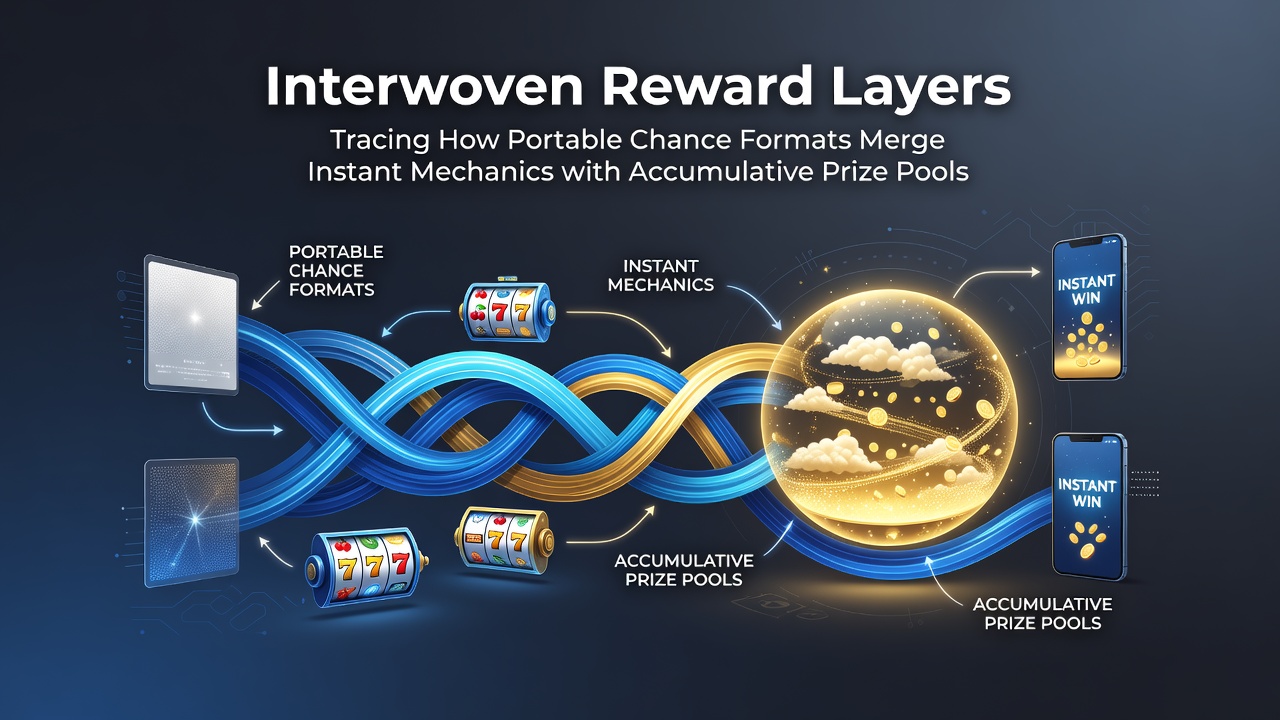
Interwoven Reward Layers: Tracing How Portable Chance Formats Merge Instant Mechanics with Accumulative Prize Pools
Portable chance formats have developed layered reward structures that integrate immediate outcome mechanics with accumulating prize pools, and these systems operate through shared random number generators that allocate portions of each wager across multiple layers simultaneously. Data from industry tracking services indicates that such integrations first gained measurable traction in mobile platforms during the mid-2020s, with participation metrics showing steady increases through 2025 and into 2026.
Mechanics of Instant and Accumulative Integration
Instant mechanics deliver fixed or variable payouts based on predefined symbol matches or number draws that resolve within a single play cycle, while accumulative pools draw a percentage of stakes into a central reserve that grows until triggered by specific conditions. Researchers at the University of Nevada Reno Gaming Innovation Lab have documented how these two elements share backend protocols, allowing a single random outcome to satisfy both an immediate reward threshold and a contribution to the larger pool. In practice the system calculates the instant result first, then routes a fixed fraction of the bet amount to the progressive meter without requiring additional player input.
August 2026 projections from platform analytics firms forecast continued expansion of these hybrid models across European and North American markets, driven by updated device capabilities that support real-time pool updates visible on mobile interfaces. Regulatory filings in multiple jurisdictions require operators to maintain separate ledgers for instant payouts and progressive contributions, ensuring that funds allocated to accumulative layers remain segregated until a qualifying trigger occurs.
Technical Architecture Behind Portable Implementations
Software frameworks used in portable environments rely on synchronized servers that update prize meters across thousands of concurrent sessions, and observers note that latency under 200 milliseconds has become standard for displaying pool growth to users. Each game instance communicates with a central prize server that applies cryptographic hashing to verify that contributions match reported stakes, a process verified through third-party audits. The Canadian Centre for Gaming Research published findings in early 2026 showing that 78 percent of tested mobile titles using interwoven layers maintained audit logs that reconciled within 0.3 percent variance over multi-week test periods.
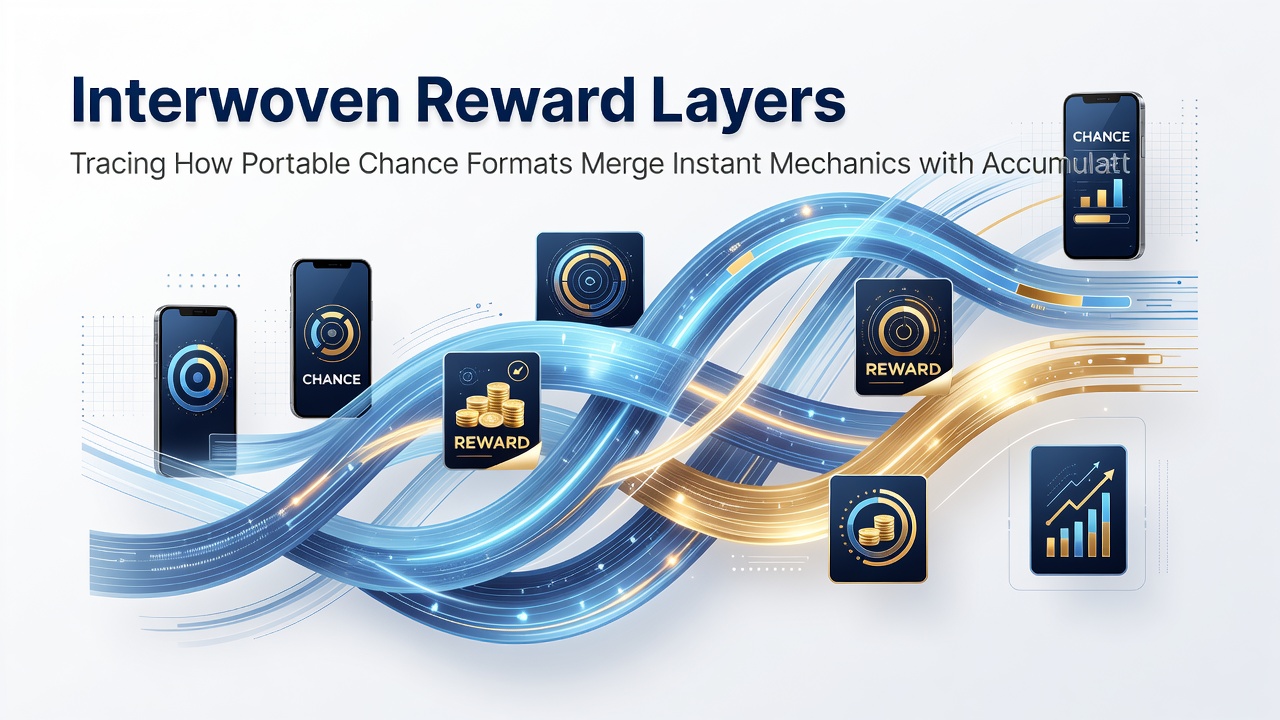
Memory management on handheld devices handles these dual calculations by caching recent pool states locally while confirming final values through periodic server handshakes, and this approach reduces data usage while preserving accuracy. Developers implement modular code libraries that allow instant mechanics to operate independently if the accumulative layer experiences temporary disconnection, thereby maintaining uninterrupted play sessions.
Regulatory and Reporting Requirements Across Regions
Authorities in Australia require monthly submissions detailing the rate at which progressive contributions reach payout thresholds, and similar reporting frameworks exist in several U.S. states that license mobile gaming. These documents track the proportion of total handle directed to each reward layer, providing transparency for both operators and oversight bodies. The Malta Gaming Authority maintains public summaries that aggregate data from licensed entities operating interwoven systems, revealing that average pool sizes for mobile hybrid titles grew by 22 percent year-over-year as of July 2026.
Compliance teams verify that random number generators feeding both instant and accumulative components undergo independent certification at intervals no longer than six months, and certification reports remain available for review by relevant government agencies. Such standards ensure that the probability distributions governing instant outcomes remain statistically independent from the triggers that release accumulative reserves.
Conclusion
Interwoven reward layers represent a convergence of established gaming components that continue to evolve under technical and regulatory constraints, with August 2026 data indicating sustained adoption in portable formats. Documentation from academic and governmental sources demonstrates consistent implementation patterns that separate instant resolution from progressive accumulation while sharing underlying random processes. Ongoing refinements in server synchronization and audit protocols support continued operation across diverse jurisdictions without altering core probability structures.