Simulation Bridges: Examining Interactions in Scratch Mechanics, Progressive Rewards, and Mobile Incentives
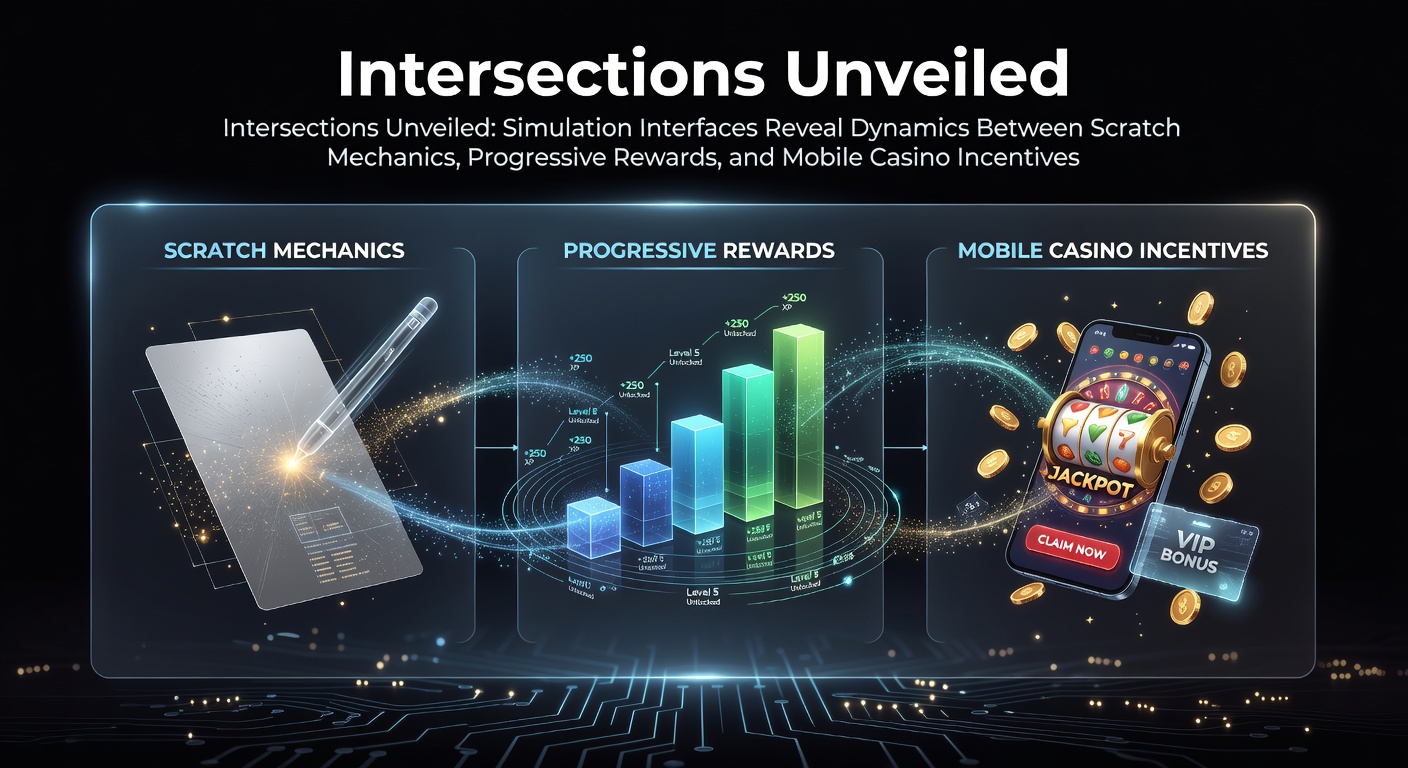 Simulation interfaces have become central tools for analyzing how scratch mechanics operate within mobile casino platforms, particularly when layered with progressive reward structures and promotional incentives. These platforms allow developers and analysts to model player pathways through instant-win formats, where outcomes depend on matching symbols or numbers, while simultaneously tracking accumulation toward larger progressive pools. Researchers at institutions focused on digital entertainment systems note that scratch mechanics in mobile settings often integrate with tiered reward ladders, where each completed card contributes points or multipliers that feed into broader jackpot systems. Data collected through controlled simulations shows these interactions create feedback loops, since players who trigger small wins from scratch cards receive incentives that encourage continued engagement with slot-based progressives. In May 2026 industry reports highlighted increased adoption of unified simulation dashboards across European and North American operators. These dashboards replicate user sessions by combining free demo modes with real-time tracking of bonus accumulation, revealing patterns where mobile incentives such as deposit matches or free card packs accelerate progression toward shared jackpot tiers. Observers point to specific case studies where simulation runs demonstrated that scratch games with shorter play cycles, typically under thirty seconds per round, funnel participants more rapidly into progressive segments when paired with time-limited mobile offers. Figures from regulatory bodies in Australia indicate that operators using these interfaces reduced development cycles for hybrid titles by approximately twenty-two percent during the first quarter of 2026.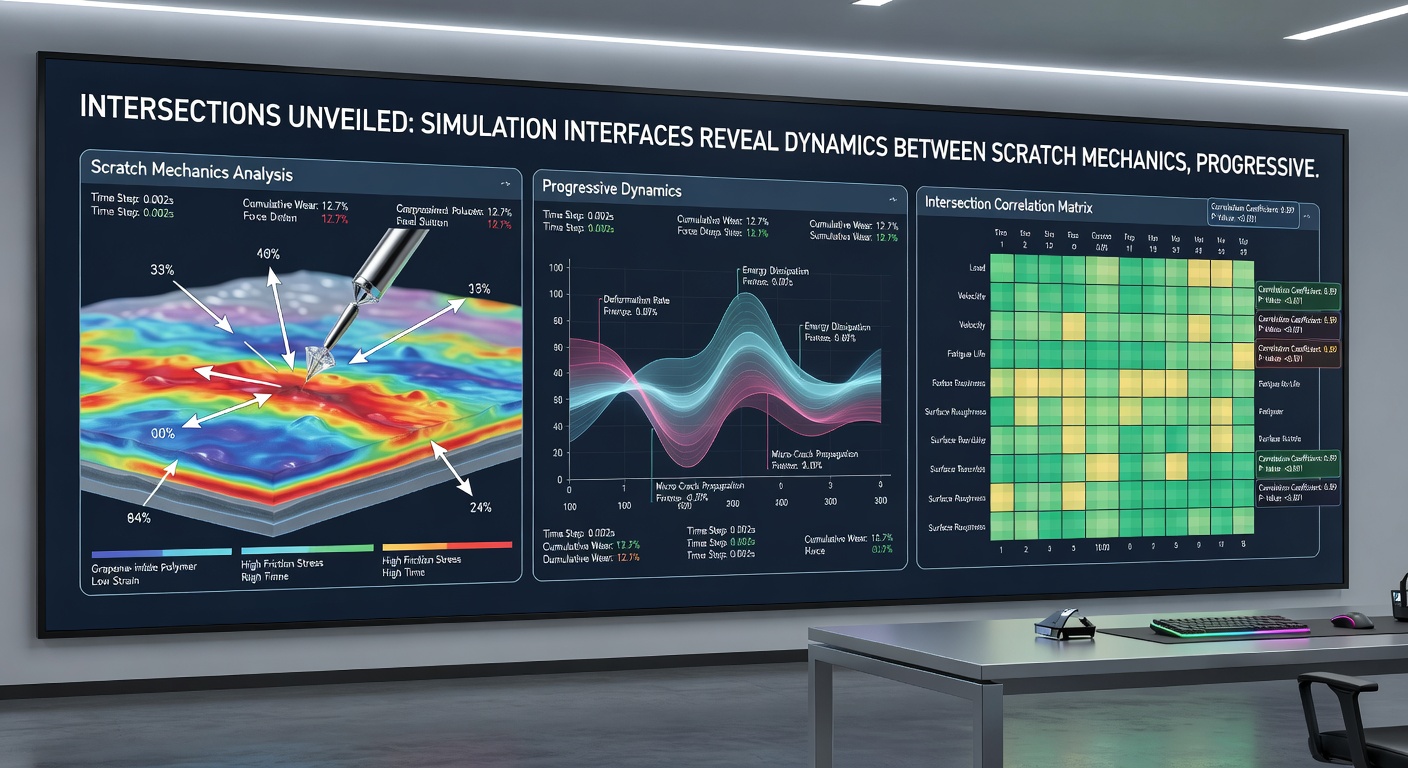
Simulation interfaces have become central tools for analyzing how scratch mechanics operate within mobile casino platforms, particularly when layered with progressive reward structures and promotional incentives. These platforms allow developers and analysts to model player pathways through instant-win formats, where outcomes depend on matching symbols or numbers, while simultaneously tracking accumulation toward larger progressive pools. Researchers at institutions focused on digital entertainment systems note that scratch mechanics in mobile settings often integrate with tiered reward ladders, where each completed card contributes points or multipliers that feed into broader jackpot systems. Data collected through controlled simulations shows these interactions create feedback loops, since players who trigger small wins from scratch cards receive incentives that encourage continued engagement with slot-based progressives. In May 2026 industry reports highlighted increased adoption of unified simulation dashboards across European and North American operators. These dashboards replicate user sessions by combining free demo modes with real-time tracking of bonus accumulation, revealing patterns where mobile incentives such as deposit matches or free card packs accelerate progression toward shared jackpot tiers. Observers point to specific case studies where simulation runs demonstrated that scratch games with shorter play cycles, typically under thirty seconds per round, funnel participants more rapidly into progressive segments when paired with time-limited mobile offers. Figures from regulatory bodies in Australia indicate that operators using these interfaces reduced development cycles for hybrid titles by approximately twenty-two percent during the first quarter of 2026.Core Components Under Simulation Analysis
Scratch mechanics function through predefined symbol sets and probability matrices that simulations can isolate and adjust independently. When these matrices connect to progressive reward engines, the models expose how fixed payout tables interact with growing jackpot contributions from a percentage of each wager across networked machines. Progressive rewards themselves rely on pooled contributions that increase over time, and simulation interfaces map the rate at which scratch-derived entries influence overall pool growth. Mobile casino incentives, ranging from loyalty points to targeted bonus credits, appear in the models as external variables that alter session duration and wager frequency. Analysts at research centers in Canada have documented that when incentives reset daily, the simulation outputs show elevated crossover rates from scratch play into progressive slot sequences. This crossover occurs because the models assign higher retention values to players who receive immediate scratch rewards followed by progressive entry opportunities.Interface Capabilities and Data Outputs
Modern simulation interfaces display layered visualizations that include heat maps of symbol distribution in scratch cards, alongside line graphs charting progressive pool increments. Users can toggle mobile incentive parameters such as percentage bonuses or free round allocations to observe downstream effects on reward velocity. One documented simulation sequence from a European gaming laboratory illustrated that increasing the frequency of mobile scratch incentives by fifteen percent produced a corresponding rise in progressive jackpot contributions within simulated populations of ten thousand virtual players. The interface captured these shifts through timestamped event logs that link individual scratch resolutions to aggregate reward movements. Such outputs help operators identify threshold points where incentive levels begin to generate diminishing returns on progressive participation. The models further distinguish between short-term incentive spikes and sustained structural changes in player behavior across multi-day sessions.