Instant Win Mechanics and Progressive Prize Pools in Mobile Simulation Environments
Tina Sullivan · Aug 10, 2026
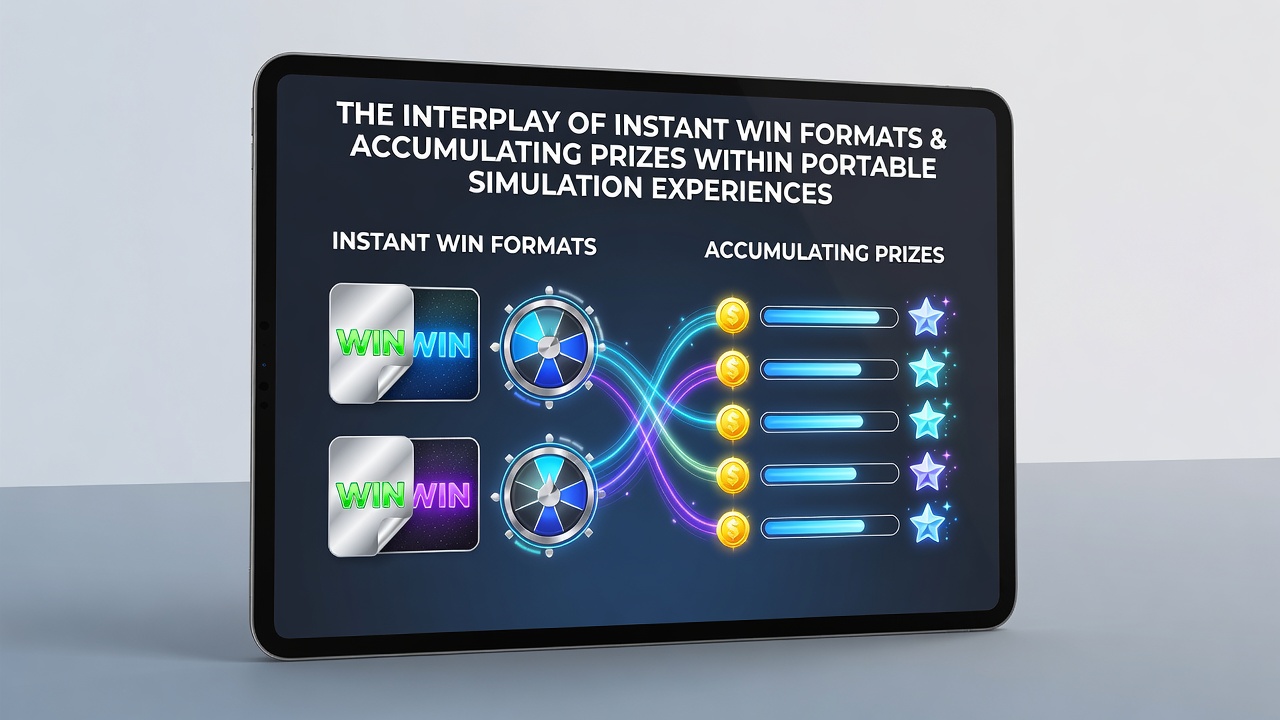
Instant Win Mechanics and Progressive Prize Pools in Mobile Simulation Environments
Portable simulation experiences combine instant win formats with accumulating prize structures through layered mechanics that operate across scratch-style reveals and reel-based progressions. These systems allow users to engage with immediate outcome displays while contributing to shared prize pools that grow over time through aggregated play data. Industry reports from August 2026 show increased integration of these elements in free demo versions offered on mobile platforms.
Core Components of Instant Win Formats
Instant win formats deliver results through predefined algorithms that determine outcomes upon activation rather than through extended spinning sequences. Developers embed these within simulation environments so that each session produces a clear payout or loss without requiring real stakes. Data from the American Gaming Association indicates that such formats account for a measurable share of demo traffic in North American markets where testing occurs before full release.
Accumulating Prize Mechanisms
Accumulating prizes build through percentage contributions from simulated wagers that feed into progressive meters visible on the interface. These meters reset after major awards yet continue climbing during active demo periods as multiple users interact with the same title. Observers note that mobile simulations often display real-time updates to these pools to mirror the behavior found in paid versions.
Integration Patterns Across Platforms
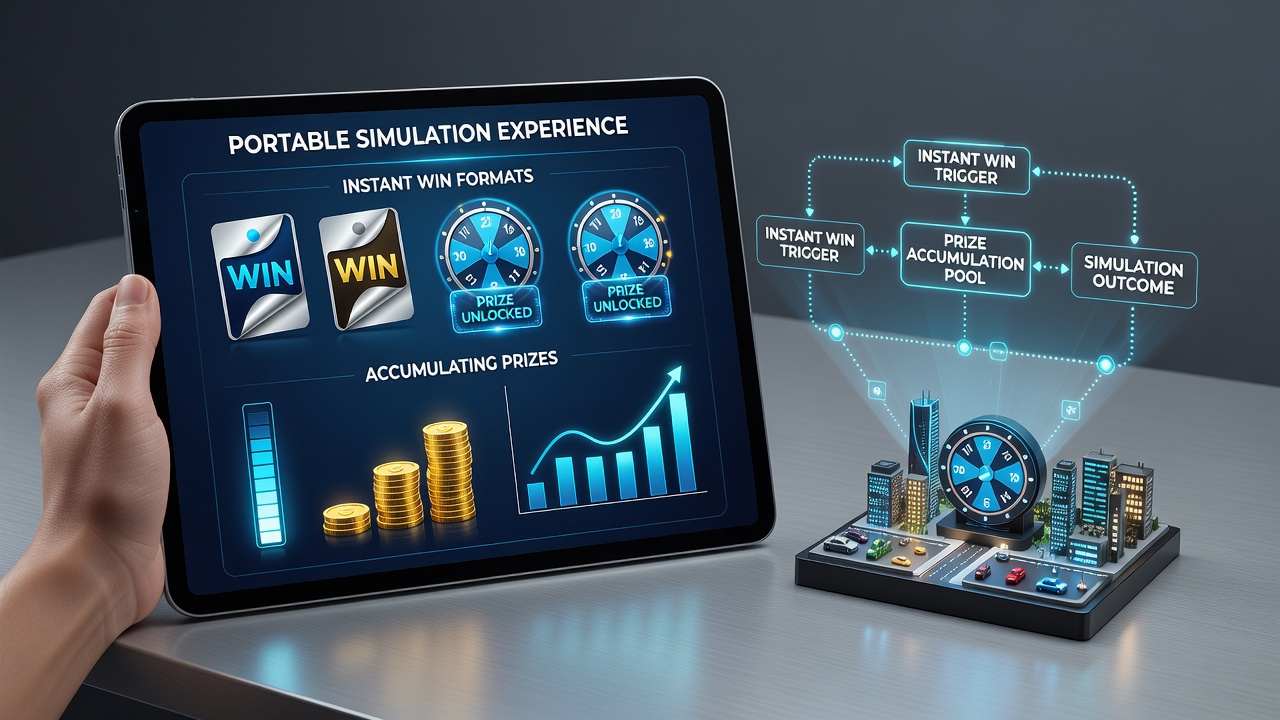
Developers link the two systems by routing portions of instant win results into the progressive pool while maintaining separate visual feedback for each. A scratch reveal might trigger a base award and simultaneously increment the jackpot meter by a fractional amount. This dual-track approach appears in hybrid titles where users switch between card-based and slot-style interfaces within the same application.
Research from the International Center for Gaming Regulation at the University of Nevada highlights how mobile architecture supports these connections through cloud-based tracking that synchronizes across devices. The setup ensures that even brief demo sessions contribute to visible prize growth without storing personal data.
Technical Implementation in August 2026
As of August 2026, several platforms updated their demo engines to handle higher concurrency for progressive calculations while preserving instant win speed. These updates rely on server-side random number generators that feed both outcome types without introducing noticeable latency on standard mobile networks. Figures from the Canadian Gaming Association reveal steady growth in the number of titles offering this combined structure during the preceding twelve months.
User Interaction Flows
Players encounter instant win results first through direct selection or reveal actions and then observe the secondary effect on the accumulating meter. This sequence creates a feedback loop where each quick outcome visibly supports longer-term prize potential. Those who study demo analytics report that session lengths extend when both elements appear together compared with single-mechanic titles.
Regulatory documentation from the Australian Communications and Media Authority outlines requirements for transparent display of contribution rates so that simulation users understand how their activity influences pool growth. Compliance involves clear labeling within the interface rather than hidden backend processes.
Design Considerations for Hybrid Titles
Design teams balance the speed of instant formats against the anticipation built by progressive accumulation. Visual cues such as meter animations and sound layers signal the connection without interrupting the primary flow. Case examples from recent releases demonstrate that color-coded indicators help distinguish between immediate awards and pool contributions during free play.
Engine updates in mid-2026 refined the synchronization so that prize meters reflect contributions within seconds of each instant win event. This timing aligns simulation behavior more closely with live environments while remaining within free-to-access constraints.
Conclusion
The interplay between instant win formats and accumulating prizes continues to shape mobile simulation design through technical and regulatory adjustments documented through 2026. These systems operate on distinct yet connected tracks that deliver both immediate feedback and shared growth indicators. Continued refinement of demo platforms supports this structure across multiple regions and device types.