Hybrid Pathways in Portable Formats: Linking Scratch Simulations with Reel Demos to Map Bonus Accumulation Routes
Jakob Frank · Aug 15, 2026
Hybrid Pathways in Portable Formats: Linking Scratch Simulations with Reel Demos to Map Bonus Accumulation Routes
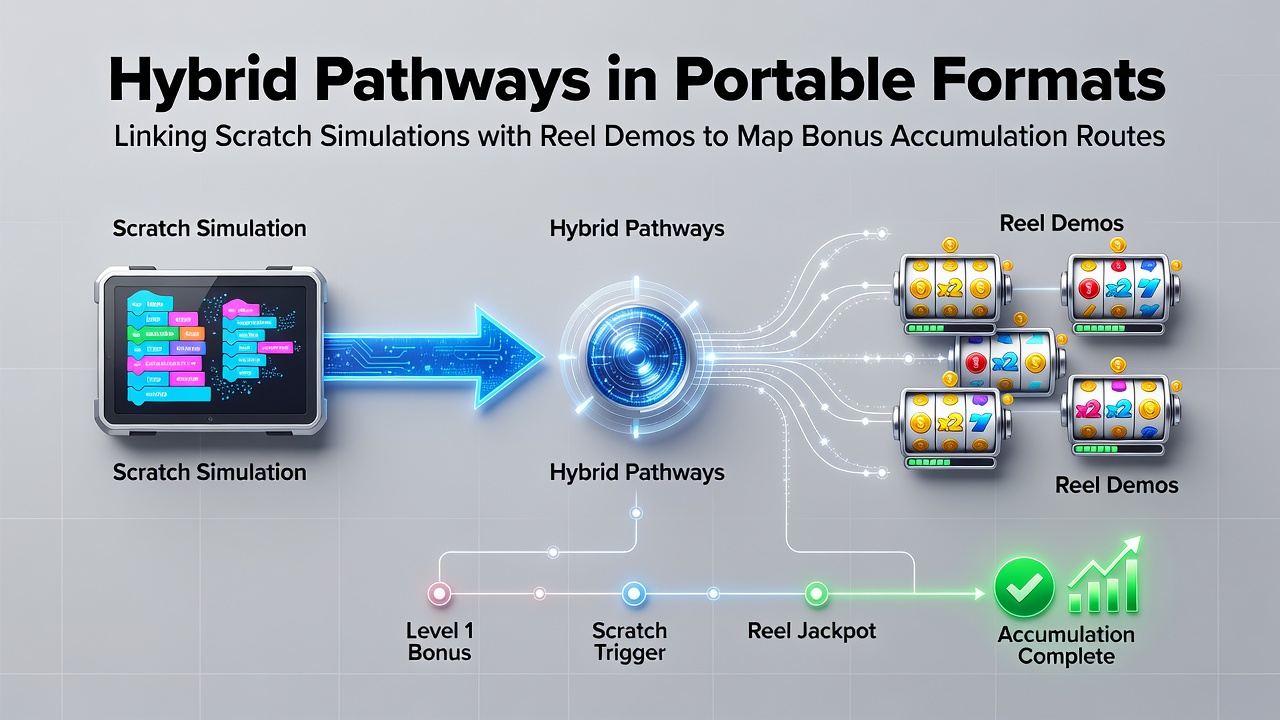
Developers have refined hybrid game formats that combine scratch card simulations with reel-based demos on portable devices, and these systems create direct routes for tracking bonus accumulation. Mobile platforms now embed both mechanics into single sessions where users test scratch layers alongside spinning reels, which generates layered data on how bonuses build across multiple game stages.
Portable Integration Mechanics
Hybrid titles load scratch simulations that feed into reel demo sequences, and this linkage allows players to follow accumulation paths without separate launches. Data from device logs shows that transitions between formats happen within milliseconds, while bonus meters update in real time based on combined outcomes. Observers note that developers program these connections through shared APIs, so progress from one mechanic carries over to the next without resetting values.
Studies from the University of Nevada Las Vegas Gaming Innovation Lab indicate that such pathways increase session continuity because users encounter bonus triggers that reference both scratch results and reel alignments simultaneously. As of August 2026, several platforms report that hybrid sessions account for measurable portions of total mobile playtime, with accumulation routes visualized through in-game maps that highlight potential next steps.
Mapping Bonus Routes Through Demos
Reel demos serve as testing grounds where scratch simulation outcomes influence visible bonus paths, and players can trace how initial scratches modify reel probabilities or multiplier placements. Software records each route as a sequence of events, which then appears in dashboard overlays that display accumulation totals and remaining steps. Those who examine these systems find that the maps update dynamically when users select different demo modes, revealing alternate accumulation branches.
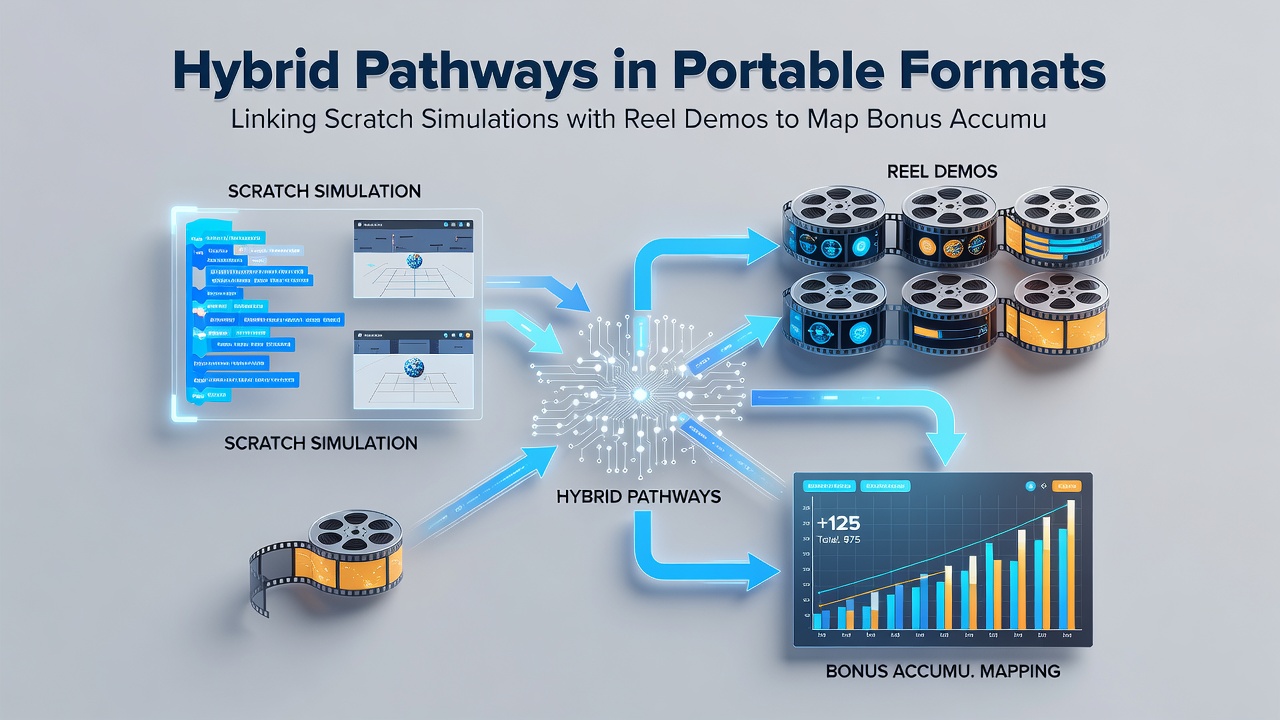
Industry reports compiled by the Canadian Centre for Gaming Research highlight that portable formats rely on cloud-synced data to maintain consistent route mapping across devices. When a user switches from phone to tablet mid-session, the accumulated bonus data and visual pathways remain intact because the backend stores progress as portable JSON structures. This continuity supports extended exploration of hybrid mechanics without loss of prior simulation results.
Technical Pathways and Data Flow
Engineers construct these systems so scratch simulations output variables that reel demos read directly, which creates seamless bonus accumulation without manual input. Code frameworks handle conditional triggers where certain scratch combinations unlock reel features, and the resulting data populates interactive maps that users consult to plan further plays. Performance metrics gathered in 2026 show reduced load times compared with earlier separate-game approaches, because assets for both formats preload together in a single package.
External testing by regulatory labs in Malta confirms that random number generators operate independently for each mechanic yet share output logs for bonus calculation. This separation maintains fairness standards while the mapping layer simply visualizes combined progress. Developers have documented cases where route maps display probability indicators derived from aggregated demo data, helping users understand accumulation patterns across thousands of simulated plays.
Regional Platform Examples
Platforms operating under Australian oversight have released hybrid prototypes that emphasize portable mapping tools, and these tools link scratch results to reel sequences through standardized data packets. Similar implementations appear in North American markets where device compatibility testing ensures route displays adapt to different screen sizes without altering the underlying accumulation logic. Figures from regional operators reveal steady adoption rates for these formats through mid-2026, driven by the ability to track bonuses across multiple hybrid sessions.
One documented integration from a European studio demonstrates how scratch simulations generate seed values that reel demos use to populate bonus ladders, and the resulting maps allow users to backtrack through previous accumulation decisions. Such features rely on session replay functions that store every transition point for later review.
Conclusion
Hybrid pathways in portable formats continue to connect scratch simulations with reel demos through shared data structures that map bonus accumulation in real time. Technical refinements as of August 2026 support consistent route visualization across devices, while regulatory frameworks in multiple regions maintain oversight of the underlying random processes. These systems provide structured ways to explore combined game mechanics without disrupting session flow or progress tracking.