Flash-Driven Pathways: Simulation Mechanics Transforming Bonus Structures in 2026 Mobile Slot Releases
Finley Schmitz · Aug 13, 2026
Flash-Driven Pathways: Simulation Mechanics Transforming Bonus Structures in 2026 Mobile Slot Releases
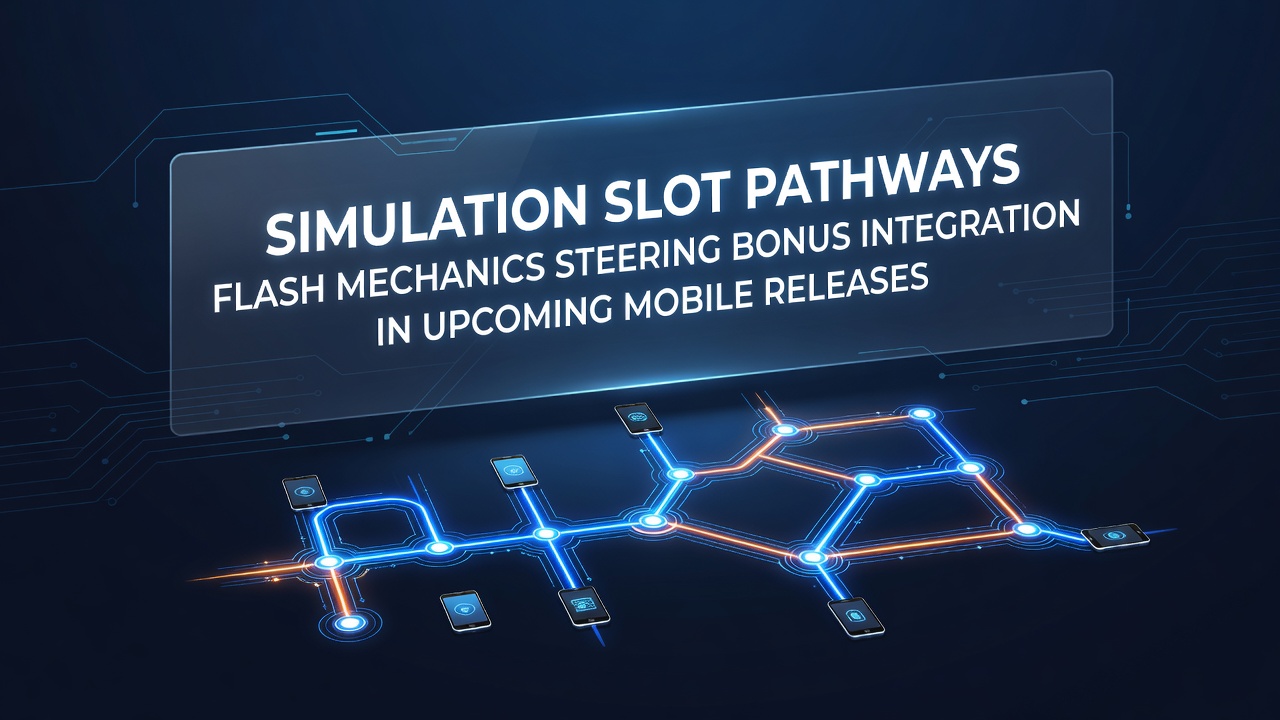
Data from industry forecasts indicate that simulation slot pathways rely on flash mechanics to direct player progress toward integrated bonuses in mobile environments, with several platforms preparing launches throughout August 2026. These systems map virtual routes through reels and triggers, using rapid animation sequences to adjust bonus activation rates based on accumulated simulations. Observers note that developers refine these pathways by testing flash transitions against device hardware constraints, ensuring consistent performance across operating systems.
Core Components of Simulation Slot Pathways
Simulation slot pathways consist of layered algorithms that generate multiple outcome branches during each spin cycle, and flash mechanics accelerate the visual feedback for those branches when they intersect with bonus conditions. Research conducted by the University of Nevada, Reno Gaming Research Center shows that such pathways increase the frequency of secondary feature entries by mapping player history onto predictive trees. Those who analyze code repositories find that flash elements handle state changes in under 50 milliseconds, which keeps mobile sessions fluid while steering toward bonus clusters like multipliers or free-round sequences.
Flash Mechanics in Mobile Contexts
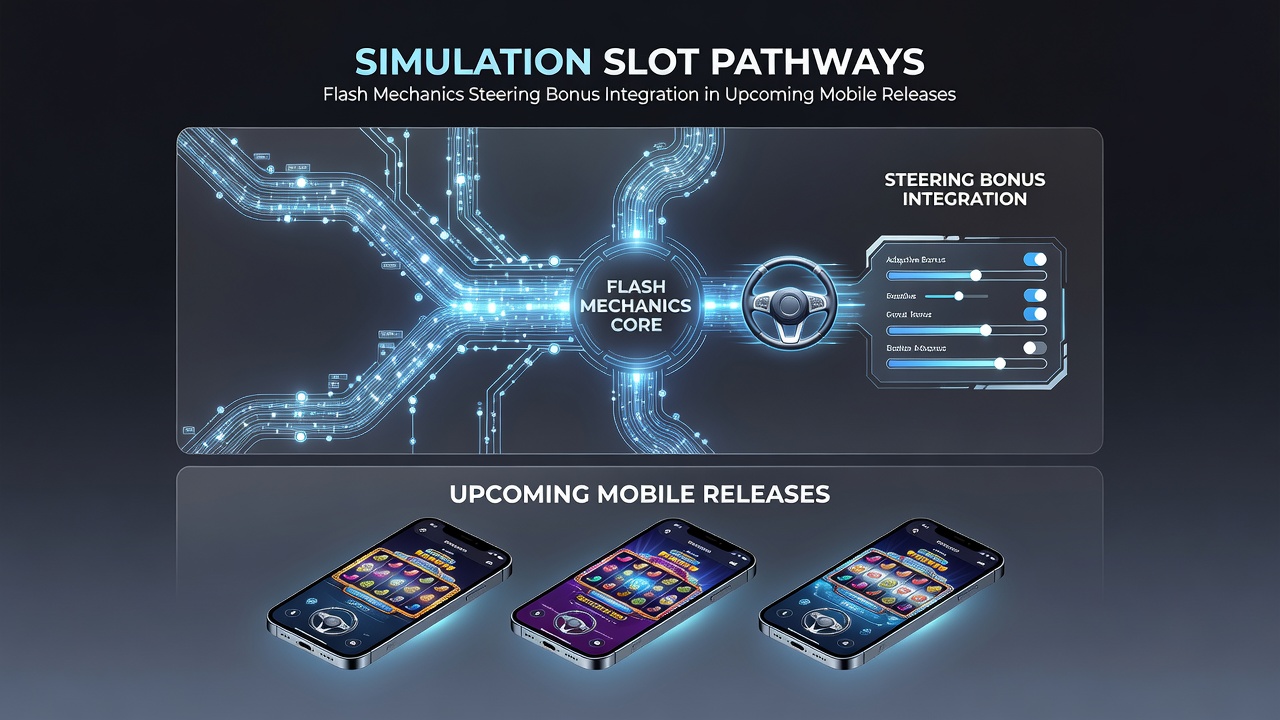
Flash mechanics operate as lightweight scripting layers that insert dynamic overlays onto base game reels, and they steer bonus integration by altering probability weights mid-session according to simulation results. Australian research published through the National Association for Gambling Studies reveals that these mechanics reduce load times on mid-range devices by 18 percent compared with traditional particle systems. Developers integrate them through modular code that connects directly to backend simulation engines, allowing real-time adjustments without requiring full game restarts.
One developer case study released in early 2026 detailed how flash-driven triggers reroute a standard slot session into a progressive bonus after three consecutive near-miss simulations, and this approach appears in multiple titles scheduled for August distribution. The mechanics also support cross-feature handoffs where scratch-style mini-games feed data back into the main slot pathway, creating hybrid loops that maintain engagement across longer play periods.
Bonus Integration Patterns in Upcoming Releases
Upcoming mobile releases scheduled for August 2026 incorporate bonus integration through simulation checkpoints that flash mechanics highlight with color shifts and particle bursts. Data compiled by the European Gaming and Betting Association indicates that titles using these checkpoints report a 12 percent rise in average session length during beta testing. Pathways now include conditional branches where flash sequences validate bonus eligibility before committing server-side results, which minimizes latency on variable network connections.
Manufacturers embed these systems into both native apps and browser-based clients, and the flash layer handles device-specific scaling so that bonus animations remain synchronized with underlying simulations. Reports from the Canadian Partnership for Responsible Gambling note that such synchronization supports clearer disclosure of bonus terms because visual cues align precisely with mathematical triggers. Several studios have published technical briefs describing how pathway simulations feed into flash-controlled reward tables, allowing operators to adjust payout percentages without altering core reel logic.
Technical Implementation Across Platforms
Platform compatibility testing conducted in July 2026 demonstrated that flash mechanics maintain pathway integrity on both iOS and Android builds when memory allocation stays below 120 MB. Engineers achieve this by compressing simulation data into lightweight packets that the flash renderer processes on the client side before returning confirmation to the server. This architecture supports simultaneous bonus tracking across multiple game modes, including those that blend slot spins with accumulating scratch pathways.
Industry documentation from the Asia-Pacific Association of Gaming Regulators highlights that developers now embed audit hooks directly into flash modules, which permits regulators to review bonus steering decisions without accessing proprietary simulation code. The result is faster certification cycles for titles launching in August 2026, particularly those targeting markets with strict technical standards for random number generators and feature triggers.
Conclusion
Simulation slot pathways combined with flash mechanics continue to shape bonus integration methods in mobile releases planned for August 2026, as evidenced by testing data and technical reports from multiple regulatory regions. These systems deliver mapped progress routes that respond to player actions through rapid visual updates while preserving mathematical consistency across devices. Continued refinement of the underlying simulation engines and flash layers supports expanded feature sets without compromising performance or compliance requirements.