Echoes of Flash: Mapping Simulation Influences Across Bonus Structures in Mobile Progressive Scratch Games
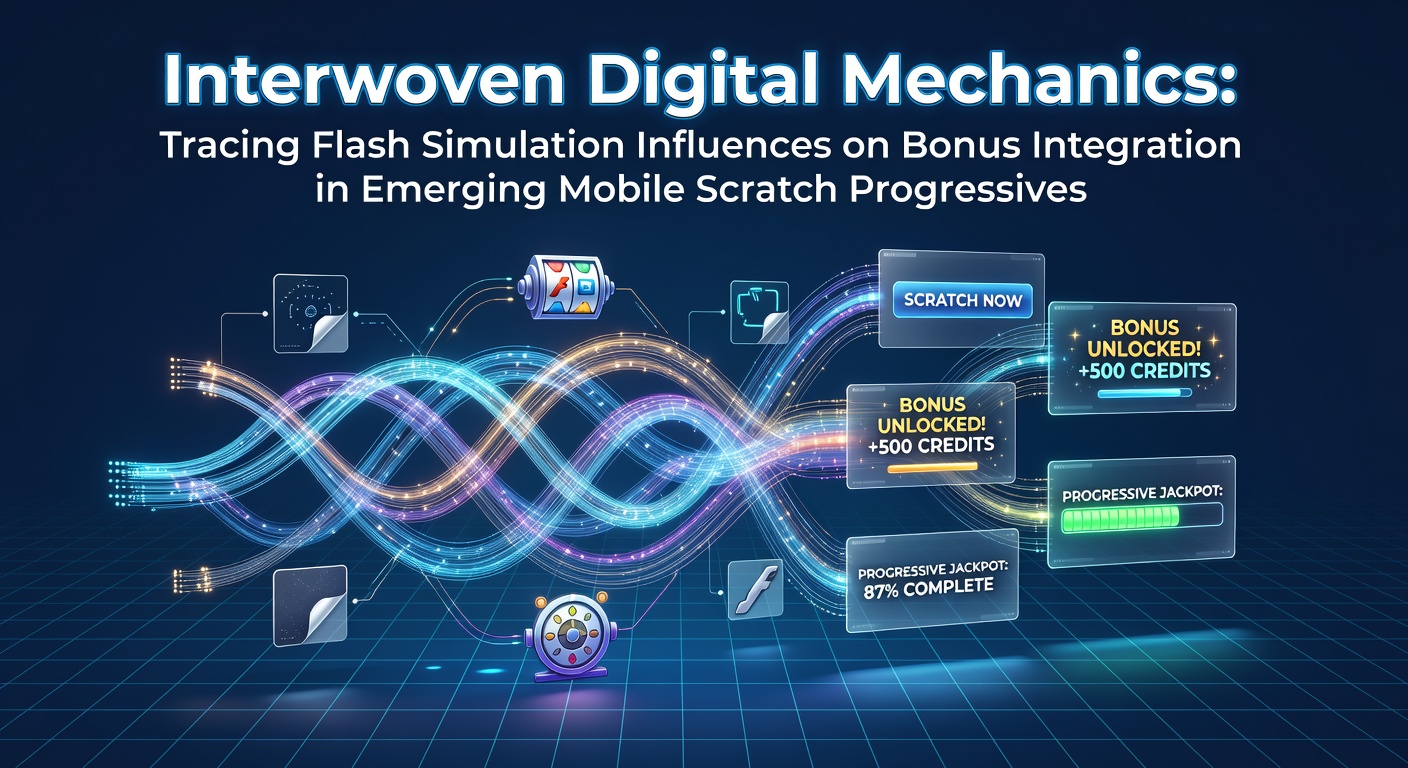
Digital mechanics in mobile gaming continue to evolve through layered simulation techniques that originated in earlier browser-based platforms, and observers note how these methods now shape bonus integration within emerging progressive scratch titles. Researchers have tracked the transition from Flash-driven environments to contemporary mobile frameworks since the mid-2010s, and data from industry reports reveal consistent patterns in how simulation tools handle random number generation alongside multi-tiered reward systems.
Simulation Foundations and Their Technical Carryover
Flash environments once provided the primary testing ground for instant-win mechanics and layered payout sequences, while developers relied on these tools to prototype bonus triggers before mobile adoption accelerated. Engineers adapted similar modular scripting approaches to HTML5 and native app architectures, adn this continuity allows current platforms to simulate thousands of scratch outcomes per second with integrated progressive meters. Studies from gaming technology firms indicate that core algorithms for probability mapping and visual feedback loops retain structural similarities to those Flash prototypes, although updated libraries improve cross-device compatibility and reduce latency in real-time jackpot contributions.
People who've examined code repositories from legacy projects observe that bonus activation sequences often follow the same conditional branching logic refined during the Flash era, and this heritage appears in mobile scratch progressives through synchronized animations that align with accumulating prize pools. As of June 2026, regulatory filings across multiple jurisdictions document how these inherited simulation methods support compliance testing for fair play verification in hybrid games that combine scratch reveals with slot-style progressives.
Bonus Integration Patterns in Progressive Mobile Formats
Bonus structures in these games frequently incorporate simulation outputs directly into reward ladders, and analysts point to examples where instant scratch results feed into shared progressive accumulators without separate draw cycles. This approach reduces computational overhead on mobile processors while maintaining the illusion of independent randomness, and figures from platform analytics show elevated engagement metrics when such fused mechanics operate smoothly across sessions. Developers achieve this by embedding simulation checkpoints that reference both local device RNG and server-side progressive tallies, creating seamless transitions between base play and elevated reward tiers.

Take one development team that documented their workflow for a 2025 title release, and their internal logs revealed how Flash-era debugging protocols still guide the identification of edge cases where bonus multipliers interact with jackpot thresholds. External audits confirm these practices help maintain consistent return-to-player percentages across varying network conditions, while mobile-specific optimizations address battery usage and data synchronization during extended play periods.
Regulatory and Technical Considerations in June 2026
Authorities in regions such as New Jersey and Ontario require detailed simulation logs for any progressive component, and this documentation often traces back to testing methodologies refined in earlier digital environments. Industry groups like the International Association of Gaming Regulators have published guidelines that reference simulation accuracy standards originally established for browser games, and these standards now apply to mobile scratch progressives with added emphasis on real-money transaction security. Data from compliance databases show that platforms incorporating legacy-informed simulation layers experience fewer certification delays when submitting updated bonus configurations.
What's interesting is how academic papers from institutions studying digital entertainment systems have begun cataloging these technical inheritances, and one 2025 study highlighted correlations between Flash simulation depth and the complexity of bonus layering possible in current mobile formats. Such research supports ongoing platform refinements without altering core fairness parameters.
Emerging Applications and Platform Adaptations
Mobile operators continue to expand hybrid scratch and progressive offerings, and simulation tools derived from older frameworks enable rapid iteration on new bonus combinations that tie local scratch outcomes to global jackpot pools. Engineers use these capabilities to model player behavior across demographic segments, and aggregated statistics from multiple operators indicate that well-integrated bonus pathways correlate with longer session durations in tested markets. This technical lineage supports scalability as device capabilities advance, allowing finer control over visual and auditory cues tied to progressive milestones.
Observers note that cross-platform testing suites now routinely incorporate modules that replicate conditions once handled exclusively through Flash environments, and this evolution streamlines deployment for titles launching in 2026 and beyond. The result appears in more responsive interfaces where bonus integration feels instantaneous regardless of connection quality.
Conclusion
Simulation influences from earlier digital eras continue to underpin bonus mechanics in mobile progressive scratch games, and evidence from technical documentation, regulatory records, and platform performance data illustrates this ongoing integration. Developers and regulators alike rely on these established patterns to deliver consistent experiences, and the trajectory points toward further refinement of these interwoven systems as mobile gaming expands.