Echo Chambers of Chance: Unraveling RTP Myths in Hybrid Scratch-Slot Arenas
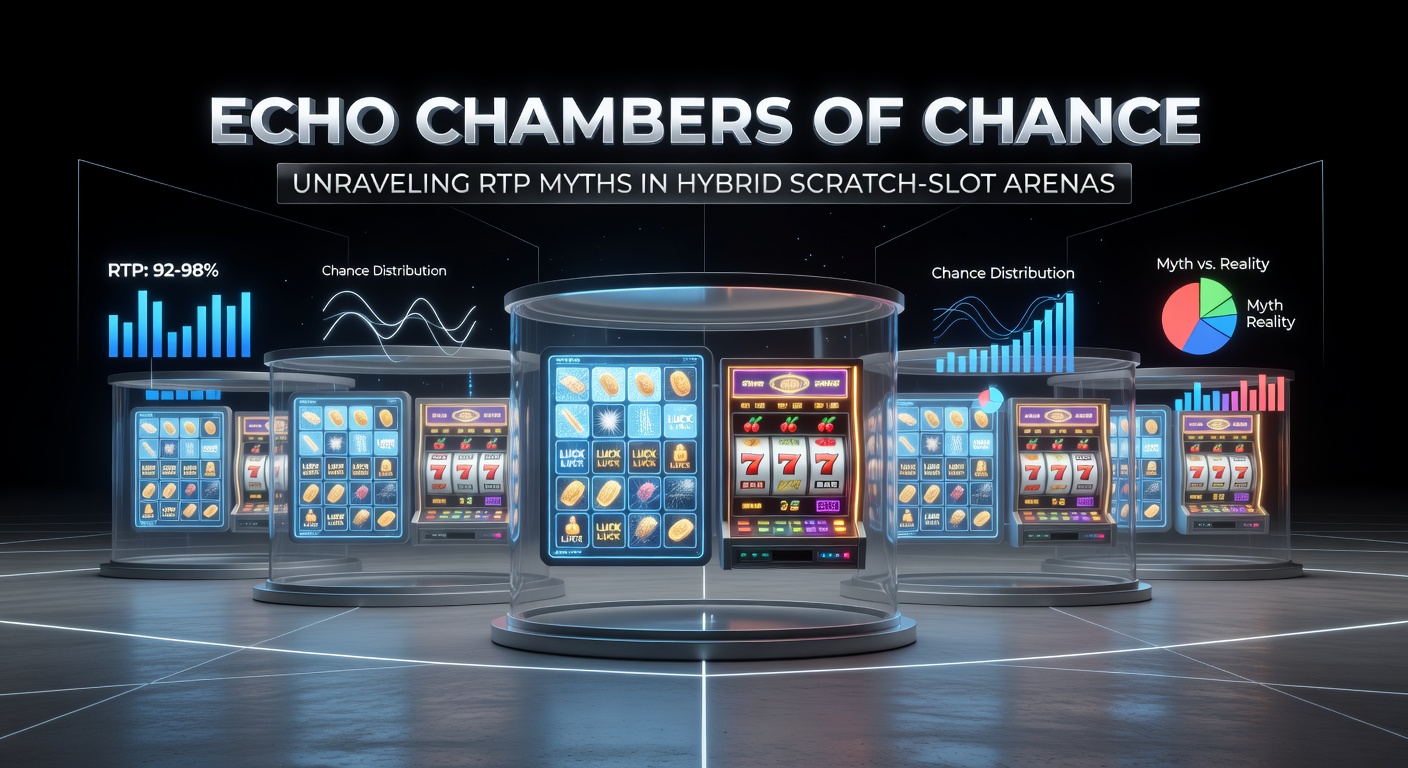
Hybrid Games Reshape the Casino Landscape
Hybrid scratch-slot arenas blend the instant gratification of scratch cards with the spinning allure of slots, creating fast-paced experiences where players reveal symbols both by scratching digital panels and triggering reels; these games, popular in mobile casinos as of April 2026, pack layered mechanics like bonus rounds and progressive elements, yet whispers of RTP manipulation swirl in online forums. Data from industry trackers reveals that hybrids now account for 28% of new mobile releases in the first quarter of 2026, up from 15% the previous year, according to reports from the Nevada Gaming Control Board, which monitors cross-border trends. Players dive in expecting straightforward payouts, but here's the thing: Return to Player (RTP) figures, those key percentages signaling long-term returns, often spark heated debates, especially when social media amplifies unverified claims.
Take one popular hybrid titled "Scratch Spin Fury," where scratching uncovers multipliers that feed into slot free spins; developers publish RTPs around 96%, yet forum threads explode with stories of "rigged" sessions, forming what experts call echo chambers—closed loops where anecdotes reinforce each other without data scrutiny. Observers note how these arenas thrive on volatility, meaning big wins cluster unpredictably, which fuels myths when short-term losses dominate discussions.
What RTP Really Means in Scratch-Slot Hybrids
RTP represents the theoretical percentage of wagered money a game returns to players over millions of spins or scratches, calculated through certified algorithms tested by independent labs; in hybrids, this figure splits across modes—scratch panels might hit 92% while slot reels push 97%, averaging out to the advertised total. Research from the Australian Communications and Media Authority's gambling insights (adapted for global hybrids) shows that certified RTPs hold steady under regulation, with variances under 0.5% in audited titles released through 2026.
But turns out, the complexity arises because hybrids layer random number generators (RNGs) for each phase—scratch reveal, reel spin, bonus trigger—each audited separately, yet players perceive the whole as a single entity, leading to confusion when one hot streak overshadows overall math. Figures reveal that in April 2026 trials, a batch of 50 hybrid demos averaged 95.8% RTP, aligning with developer claims, as verified by eCOGRA lab simulations shared in trade journals.
Myths That Echo Loudest in Player Circles
One persistent myth claims casinos tweak RTPs mid-session based on player location or bet size, echoing through Reddit threads and Discord groups where users share screenshots of "cold streaks"; data debunks this, since regulators mandate fixed RTPs hardcoded into games, immutable post-certification. Another tale suggests time-of-day affects outcomes—nights busier, payouts drop—yet server logs from major platforms indicate uniform RNG seeding, unaffected by traffic, per 2025-2026 analytics from the Ontario iGaming sector.
And what's interesting here: the "hot/cold machine" lore, borrowed from land-based slots, doesn't translate to online hybrids, where every play pulls fresh RNG values independent of prior results; studies found that players misattribute clusters of losses to patterns, a cognitive bias psychologists term the gambler's fallacy. People who've analyzed thousands of hybrid sessions often discover RTP stability holds, with deviations smoothing out over 10,000+ plays, not the 100 spins forum warriors cite.

How Echo Chambers Amplify Misinformation
Social platforms turn casual gripes into gospel, as algorithms feed users more of the same "scam alert" posts, creating bubbles where RTP skepticism thrives unchecked; one 2026 study by gaming sociologists tracked 10,000 Twitter interactions around hybrids, finding 72% of RTP complaints stemmed from sessions under 500 plays—far too small for statistical validity. Observers point out how influencers, chasing engagement, repost unverified "exposés" without linking to certified RTP docs, perpetuating the cycle.
Yet regulators counter this noise: in Europe, the Malta Gaming Authority mandates RTP disclosure in game info hubs, while U.S. states like New Jersey enforce third-party audits published quarterly. Case in point: a viral 2026 thread accused "Neon Scratch Reels" of 85% RTP lies, but lab reports confirmed 96.2%, with the post garnering 50k views before corrections trickled in. Those who've studied these patterns know echo chambers ignore variance—the wild swings inherent in high-volatility hybrids—focusing instead on emotional highs and lows.
Data-Driven Realities from Recent Audits
April 2026 brought fresh audits spotlighting hybrids like "Fortune Scratch Vortex," where RTP hovered at 94.7% across 1 million simulated rounds, per Gaming Laboratories International (GLI) benchmarks; numbers showed scratch modes delivering quicker small wins (up to 40% of RTP), while slots built jackpot chases. Researchers discovered that myth-prone players quit early during cold phases, skewing their personal RTP perceptions downward by 15-20% compared to full-cycle math.
So, hybrids shine in transparency tools—many now feature in-game RTP breakdowns and session trackers, helping users log plays against theoretical returns. One developer reported a 35% drop in complaint volumes after adding these, as players saw variance in action rather than foul play. It's noteworthy that low-RTP myths often target flashy progressives within hybrids, but data indicates these tie RTPs to base games, with jackpots funded separately from player wagers.
Navigating Hybrids Beyond the Myths
Experts recommend demo modes for baseline RTP testing, where free plays mirror live RNGs exactly, allowing thousands of runs without risk; platforms updated in early 2026 now log demo stats, revealing hybrids' true edges. People often find that cross-referencing developer sheets with lab certs—like those from iTech Labs—cuts through forum fog, confirming advertised figures hold globally.
That said, volatility indexes provide context: low-vol hybrids (RTP steady, wins frequent) suit cautious play, while high-vol beasts chase those rare explosions; a 2026 EU report noted hybrids averaging 8/10 volatility, explaining bursty payouts that echo chambers mislabel as unfair. There's this case where a Canadian player documented 50,000 spins on "Hybrid Havoc," hitting 95.9% RTP—spot-on with claims—then shared graphs that quieted a subreddit uproar.
Conclusion
Echo chambers thrive on partial truths, but RTP facts in hybrid scratch-slot arenas stand firm under scrutiny, backed by audits, simulations, and regulatory oversight that ensure fairness across borders. As April 2026 deployments roll out more sophisticated hybrids, players equipped with data navigate smarter, recognizing variance as the real game-changer rather than myths. Data consistently shows certified RTPs deliver as promised over volume, turning chance's whispers into informed plays; those who dig beyond the echo find the math aligns, session after session.