Convergence Points Between Rapid Simulation Tools and Multi-Tiered Incentive Structures in Developing Mobile Casino Ecosystems
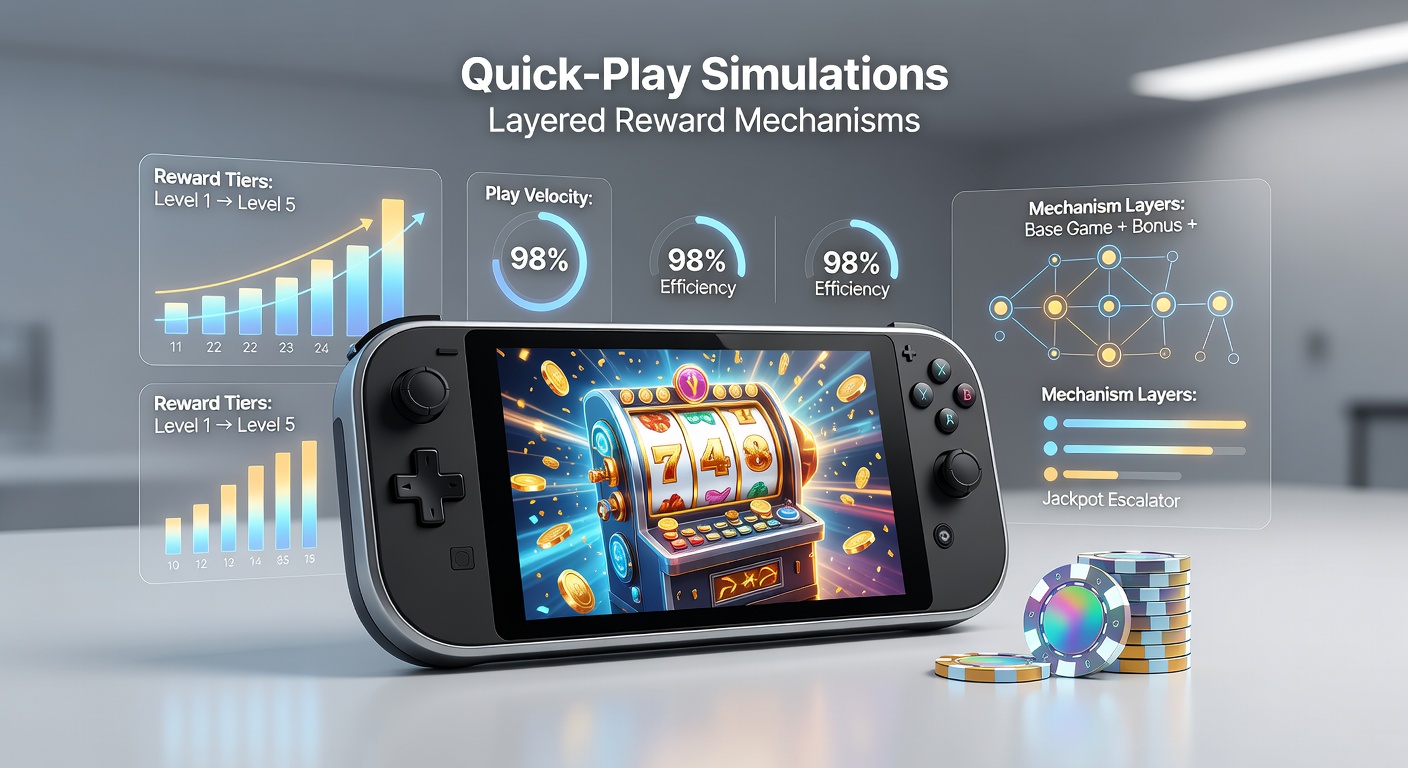
Observers note that quick-play simulations now sit at the core of many portable casino platforms where players test mechanics without committing funds, while layered reward mechanisms stack bonuses across loyalty tiers, daily challenges, and progressive prize pools that build over time, and data from industry reports indicates these two elements increasingly merge in formats designed for smartphones and tablets released through 2025 and into 2026.
Research from regulatory bodies across North America shows mobile casino downloads rose sharply during the first quarter of 2026, with operators incorporating instant simulation modes that mirror live game mathematics including return-to-player percentages and volatility patterns so users experience realistic session lengths before transitioning to paid play, while reward layers activate through cumulative play metrics that unlock escalating multipliers or exclusive tournament entries.
Technical Foundations of Quick-Play Simulations
Engineers build these simulations on the same random number generators used in full versions yet cap session durations to under five minutes in many cases, allowing seamless entry from app home screens or notification prompts, and studies conducted by gaming research centers at institutions such as the University of Nevada, Las Vegas highlight how this design reduces cognitive load for new users while preserving statistical integrity across thousands of simulated spins or card draws.
Developers integrate cloud-based processing to handle simultaneous simulations for large player bases without latency spikes, which becomes critical when reward mechanisms trigger additional layers like streak counters or community jackpot contributions that update in real time, and figures released by iGaming Ontario in early 2026 documented a 27 percent increase in demo-to-paid conversion rates among platforms employing these synchronized systems compared with earlier standalone demo offerings.
Layered Reward Architectures and Their Integration Points
Multi-tiered incentives typically begin with entry-level welcome packages that credit simulation milestones, then progress through daily login streaks and weekly volume targets that feed into personalized bonus pools calibrated by player behavior data, whereas progressive elements accumulate across global user bases and pay out at randomized intervals independent of individual simulation outcomes.
What's interesting here is how certain operators now embed reward triggers directly inside simulation interfaces so that completing a set number of free rounds automatically populates a secondary meter visible in the main account dashboard, and this linkage appears in formats targeting both casual and high-frequency users across European and Asian markets where local regulations permit such feature combinations.
Market Developments Observed Through May 2026
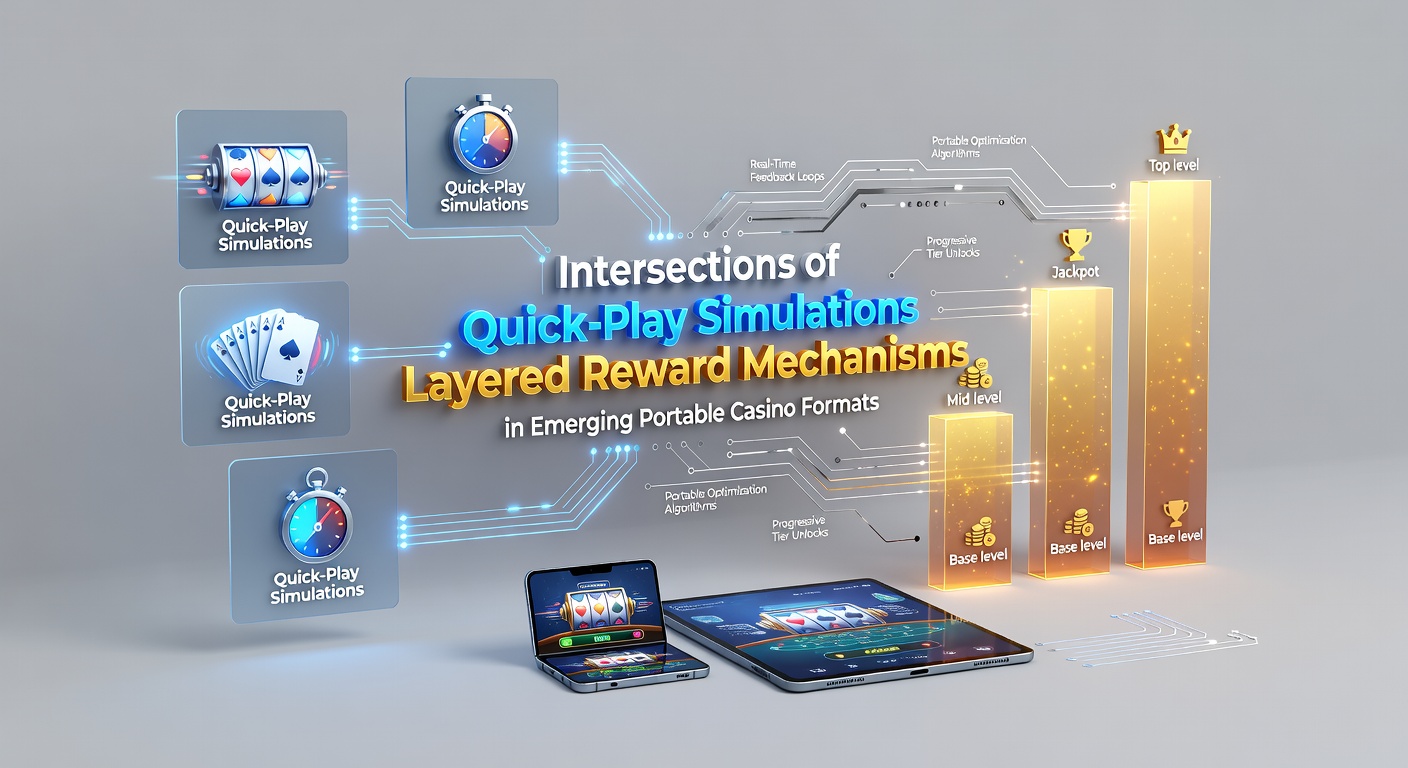
By May 2026 several jurisdictions reported expanded testing of hybrid simulation-reward modules within regulated mobile environments, with operators in select Canadian provinces and Australian states releasing updated compliance guidelines that require transparent display of simulation statistics alongside reward probability disclosures, and these updates coincided with broader platform rollouts that emphasize cross-device continuity so progress in one session carries forward when users switch between phones and tablets.
Trade associations tracking portable gaming formats noted that reward layer depth increased notably in titles combining scratch-style instant reveals with slot mechanics, creating pathways where simulation results influence tier advancement speed without altering core odds, while external audits confirmed that such integrations maintain separation between free and real-money result sets in line with regional oversight standards.
Player Behavior Patterns and Platform Adaptations
Analytics platforms recording session data reveal that users who engage simulation tools for at least three consecutive days show higher retention when reward layers include time-sensitive multipliers tied to simulation completion rates, and case examples from operators in the Asia-Pacific region demonstrate how these patterns translate into measurable increases in average revenue per user once players move from demo environments into full-featured play.
Yet the same data sets indicate that overly complex layering can lead to drop-off if interfaces fail to communicate progression clearly, prompting developers to adopt simplified visual meters and push-notification summaries that recap simulation achievements alongside pending reward unlocks, and this balance continues to evolve as portable hardware supports richer graphics and faster processing for more immersive test environments.
Conclusion
The intersections described here reflect ongoing technical and regulatory refinements that shape how simulation tools and reward structures operate together within emerging portable casino formats, with evidence from multiple regions pointing to sustained investment in seamless integration methods through the remainder of 2026 and beyond.