Convergence Dynamics in Portable Casino Applications: Instant-Win Mechanisms Intersecting Slot Simulations Within Bonus Incentive Systems
Finley Schmitz · Jul 27, 2026
Convergence Dynamics in Portable Casino Applications: Instant-Win Mechanisms Intersecting Slot Simulations Within Bonus Incentive Systems
Developers continue to refine handheld casino entertainment by merging scratch card instant-reveal functions with slot simulation engines, and this convergence creates layered experiences where players encounter combined mechanics that deliver varied reward pathways in single sessions. Studies from multiple regions document how these patterns emerged gradually through software updates that layer random number generators from both formats into unified frameworks.
Technical Foundations of Hybrid Designs
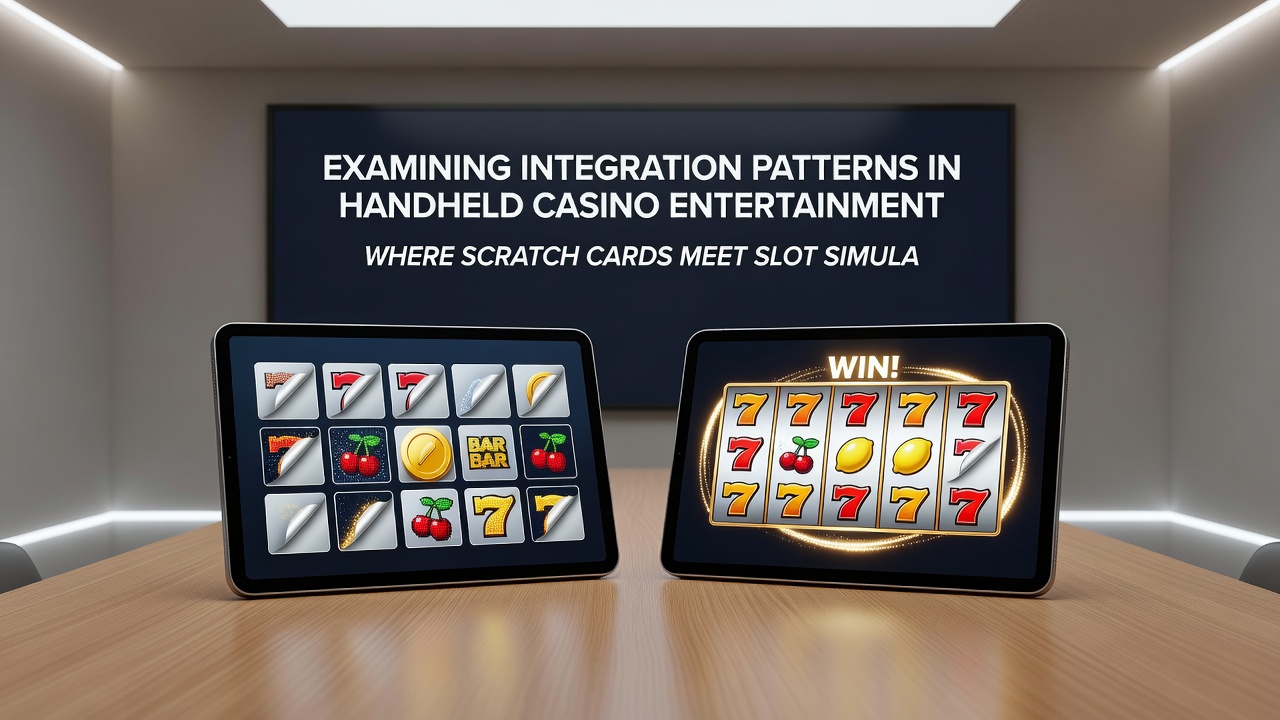
Engineers at several development studios align scratch mechanics with reel-based simulations by synchronizing outcome algorithms so that a single random seed can trigger either an instant scratch reveal or a multi-spin sequence depending on player selection within the interface. Data compiled through July 2026 indicates rising adoption rates among operators who deploy these systems on iOS and Android platforms simultaneously. Observers note that API connections between scratch modules and slot engines allow seamless transitions while maintaining separate visual layers for each game type.
Integration often relies on shared backend servers that handle both progressive jackpot pools and fixed scratch prizes, which reduces latency during mobile play. Researchers at academic institutions tracking user behavior patterns report that hybrid titles maintain session lengths comparable to standalone products because players switch between modes without reloading separate applications.
Reward Structures and Incentive Layering
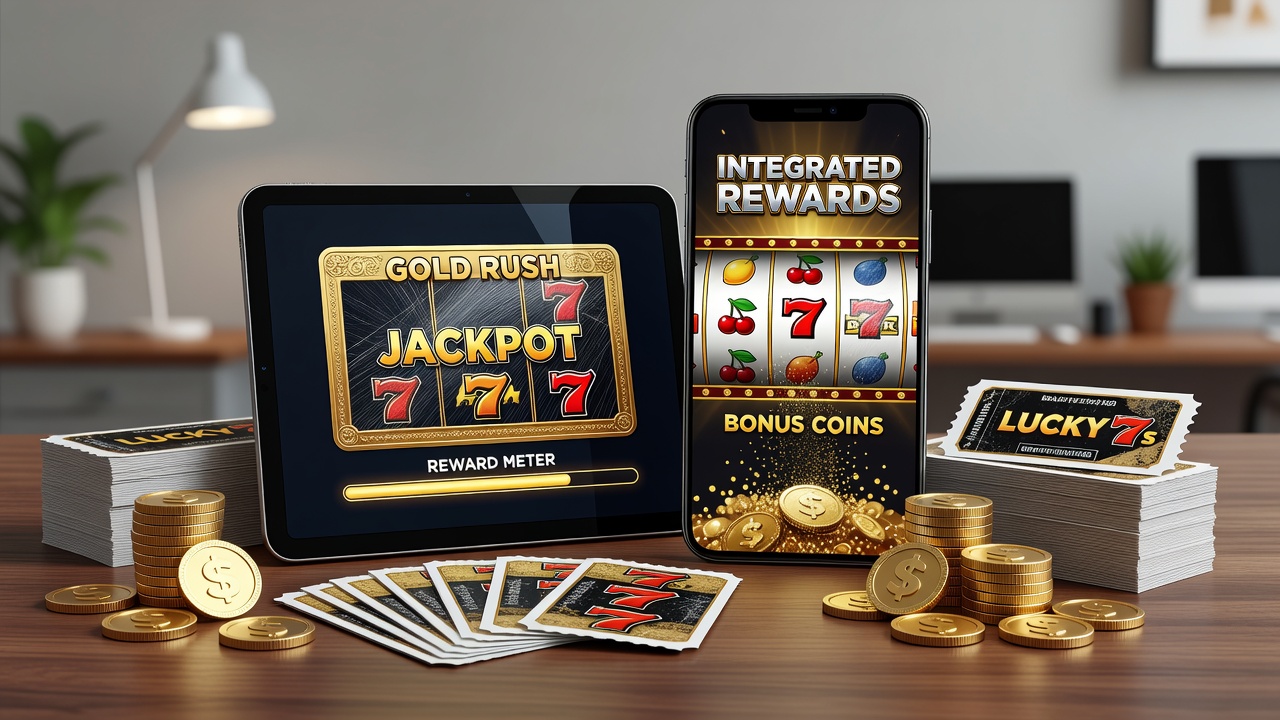
Bonus ecosystems in these hybrids typically combine scratch multipliers with slot free-spin accumulators so that one successful reveal can feed directly into additional reel spins or vice versa. Figures released by industry monitoring groups show that reward frequency increases when operators calibrate payout tables to balance the two formats within the same title. Players encounter daily login incentives that unlock hybrid bonus rounds where scratch cards determine entry multipliers for slot progressives.
Regulatory bodies across different jurisdictions track these combined systems to ensure transparency in prize distribution. The Alcohol and Gaming Commission of Ontario published guidelines in early 2026 that address how operators must display combined odds when scratch and slot elements share a common pool. Similar documentation from the Pennsylvania Gaming Control Board outlines testing protocols for hybrid randomizers that operators must complete before release.
Observed Patterns in User Engagement Data
Analytics platforms record higher interaction rates when hybrids present scratch cards as gateways to slot simulations rather than isolated features, and this sequencing appears in multiple titles released through 2025 and into July 2026. Those who study retention metrics find that reward opportunities tied to both formats encourage repeated sessions because players pursue cumulative bonuses that span game modes. Case examples from development studios reveal that A/B testing of interface layouts consistently favors designs where scratch areas occupy central screen real estate while slot reels remain accessible via swipe gestures.
Market reports compiled by trade associations indicate that hybrid titles represent a growing segment of mobile downloads in regions with established online gaming frameworks. Developers adjust visual feedback loops so that scratch animations transition smoothly into spinning sequences, which maintains visual continuity during play.
Future Development Trajectories
Software updates scheduled beyond July 2026 focus on expanding cross-format progressive systems where scratch results influence slot jackpot eligibility in real time. Industry organizations continue to monitor hardware requirements because these integrations demand efficient rendering on mid-range mobile devices without compromising animation quality. Observers tracking patent filings note increased activity around unified random generators capable of servicing both scratch and reel outcomes from a single source.
Conclusion
Integration patterns in handheld casino entertainment demonstrate consistent technical and structural evolution as scratch card elements merge with slot simulations through shared algorithms and layered reward systems. Documentation from regulatory sources and industry data through July 2026 confirms ongoing refinement of these hybrids across multiple platforms. Developers maintain focus on seamless transitions and balanced incentive structures that connect the two formats within single mobile applications.