Blueprinting Pathways: How Flash Simulations Shape Selection Tactics for Bonus-Fueled Progressives in Mobile Scratch Hybrids
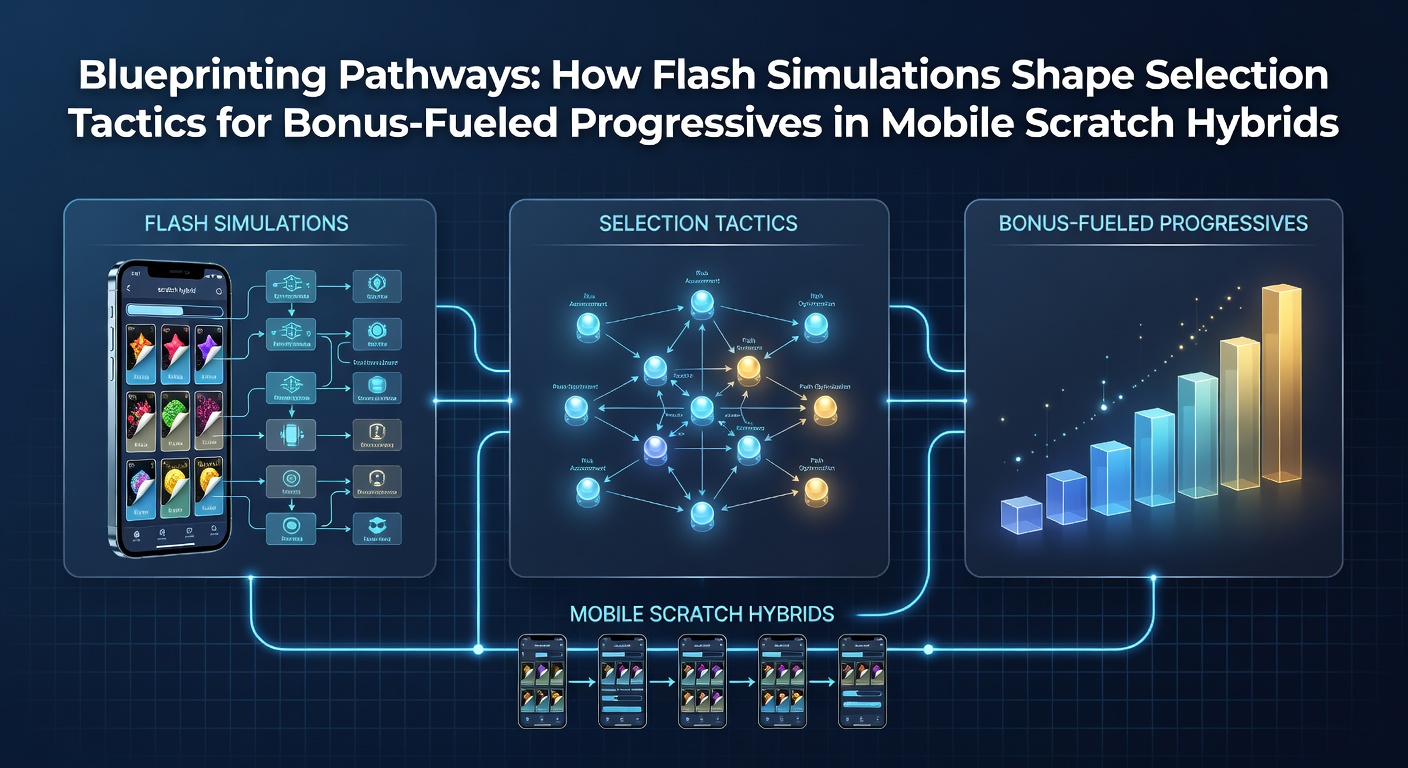
Flash simulations have become central tools that developers and analysts rely on when mapping out player pathways through mobile scratch hybrids that incorporate progressive jackpots and layered bonuses, and these tools allow for rapid testing of selection mechanics without requiring live stakes. Observers note that such simulations compress complex game flows into accessible previews, revealing how bonus triggers align with progressive pools across scratch-card and slot elements fused in single mobile sessions.
Core Mechanics Behind Flash Simulations
Developers build flash simulations as lightweight browser-based replicas that mirror the core logic of mobile scratch hybrids, including random number generators, bonus round activations, and progressive meter increments, while researchers track how these replicas influence user decisions during free trial periods. Data from industry reports indicates that players who engage with simulations first tend to adjust their selection tactics by prioritizing hybrids where bonus multipliers scale alongside growing progressive contributions, and this pattern holds across multiple device platforms tested in controlled environments. Turns out the simulations reduce trial-and-error cycles because they expose payout distributions and volatility profiles in condensed formats that real-money sessions cannot match for speed or volume.
Bonus Integration Patterns Observed in Simulations
Bonus-fueled progressives in these hybrids often link scratch reveals directly to slot reel cascades, creating chained opportunities where each successful match feeds the progressive pool, and flash simulations capture these linkages through repeatable test loops that highlight optimal entry points. Experts have observed that selection tactics shift when simulations demonstrate how certain bonus tiers unlock higher progressive contributions, prompting users to favor specific hybrid titles that balance frequent small reveals with rarer jackpot escalations. In May 2026 several platform updates introduced enhanced simulation layers that incorporate real-time meter tracking, allowing analysts to model how external factors such as session length and device orientation affect bonus progression rates without altering underlying game mathematics.
What's interesting is the way these tools expose hidden connections between scratch mechanics and progressive growth, since simulations let testers cycle through thousands of virtual plays to isolate variables like trigger frequency and multiplier stacking that determine long-term value in mobile environments.
Selection Tactics Evolving Through Simulation Feedback
Players and operators alike refine their approaches by reviewing simulation outputs that quantify how different hybrids distribute bonuses relative to progressive contributions, and this feedback loop encourages tactics centered on hybrids where early scratch outcomes reliably feed into escalating jackpot opportunities. Research indicates that simulation-guided selections correlate with improved alignment between player goals and game structures, particularly when users filter options based on visualized bonus density and progressive acceleration curves. One study revealed that incorporating simulation data into pre-play routines leads to more deliberate hybrid choices, especially in ecosystems where multiple titles compete for attention through similar bonus and progressive frameworks.
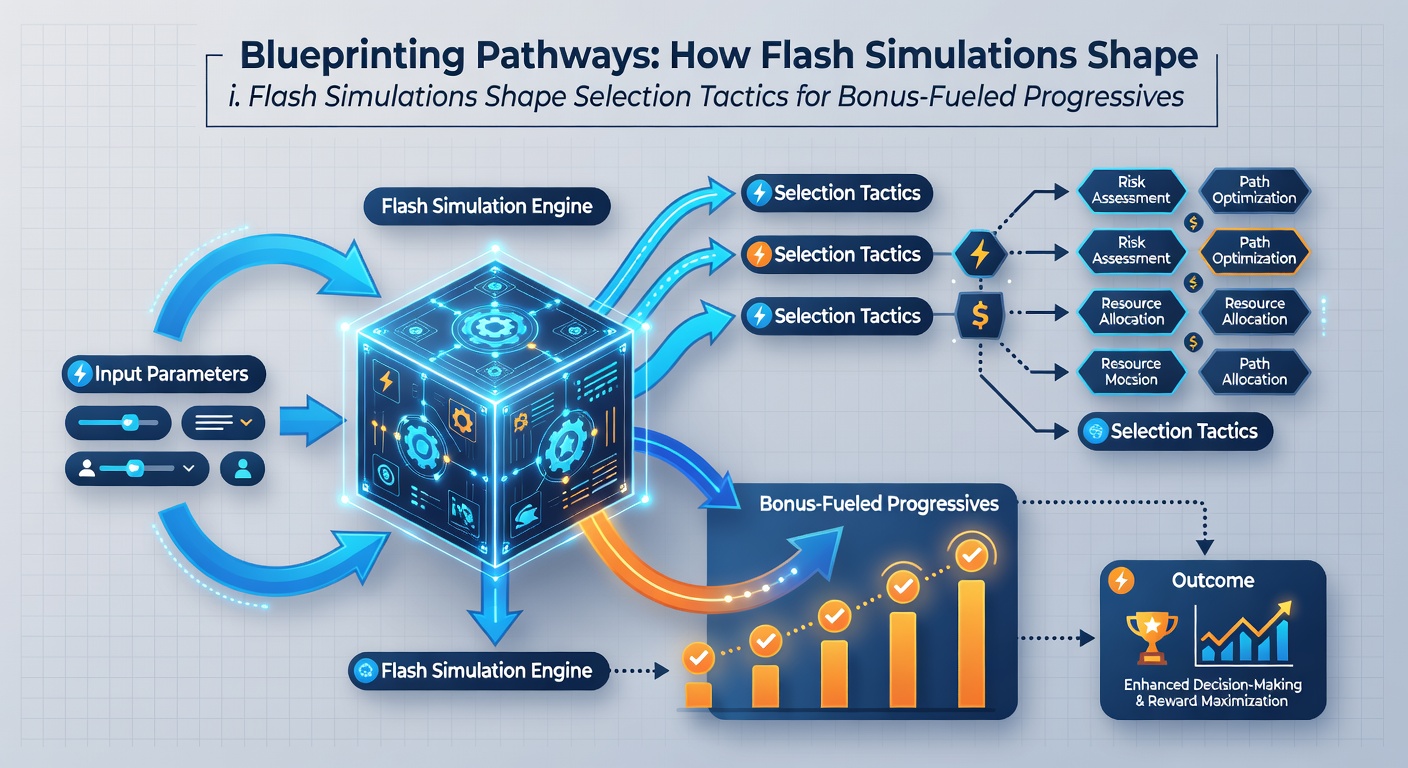
Yet the process remains grounded in observable data rather than guesswork, because flash tools render precise statistical snapshots that guide decisions toward hybrids offering the strongest interplay between scratch reveals and progressive scaling. Those who've examined aggregated simulation logs note consistent patterns where users gravitate toward titles that front-load accessible bonuses while sustaining long-term progressive potential, and this behavior appears across diverse geographic markets tracked by gaming analytics firms.
Industry Data and Regulatory Context
According to reports from the Nevada Gaming Control Board, simulation adoption rates among mobile operators rose steadily through early 2026 as platforms sought ways to demonstrate compliance and transparency in bonus and progressive mechanics. Figures reveal that hybrids featuring integrated scratch and slot elements now represent a growing segment of tested content, with simulations providing verifiable benchmarks for payout fairness and bonus trigger reliability. A separate analysis from the European Gaming and Betting Association highlights how these tools support cross-border development by standardizing preview experiences that respect regional requirements without exposing live systems to unnecessary variables.
But here's the thing: the simulations do not replace regulatory oversight, they supplement it by generating detailed logs that auditors can reference when evaluating how bonus structures and progressive contributions interact in mobile hybrids. This supplementary role becomes especially relevant when new titles launch with combined scratch-slot formats that demand clear demonstration of balanced reward pathways.
Future Pathways and Emerging Integrations
As mobile ecosystems continue to evolve, flash simulations are expected to incorporate more granular controls for modeling hybrid interactions, including variable bonus weighting and progressive seed adjustments that reflect market-specific conditions. Observers note that these advancements will further refine selection tactics by supplying even clearer blueprints for how players can navigate bonus-fueled progressives within scratch hybrids. Data shows sustained interest in simulation-enhanced previews because they compress extensive testing cycles into efficient sessions that still yield actionable insights on game dynamics.
Conclusion
Flash simulations continue to shape how selection tactics develop around bonus-fueled progressives in mobile scratch hybrids by delivering precise, repeatable insights into game mechanics and reward structures. The approach supports informed navigation of complex hybrids without requiring immediate financial commitment, and industry trends through May 2026 suggest this influence will expand as simulation capabilities mature. Researchers and operators alike rely on these tools to maintain clarity in an environment where scratch reveals, slot elements, and progressive pools intersect at increasing speed and complexity.