Algorithmic Threads: Weaving Bonus Patterns Through Simulation Slots Into Progressive Scratch Mobile Frontiers

Developers now embed algorithmic threads that link simulation slots directly to progressive scratch mechanics, creating seamless bonus patterns that unfold across mobile platforms. These systems rely on layered random number generators combined with predictive modeling to simulate outcomes before players engage, allowing patterns to emerge in real time as sessions progress. Research from the University of Nevada, Reno shows how such integrations reduce variance spikes while maintaining regulatory compliance across jurisdictions, with data collected through 2025 indicating a 27 percent increase in hybrid game deployments on iOS and Android devices.
Simulation Layers That Shape Bonus Weaves
Simulation slots operate as testing grounds where algorithms map potential bonus sequences onto scratch card grids, using Monte Carlo methods to forecast trigger rates for multipliers and progressive accumulators. Experts at institutions studying gaming mathematics note that these threads adjust dynamically based on session length and player behavior metrics, feeding results back into the main engine so progressive jackpots climb in sync with simulated scratch reveals. In practice this means a mobile user tapping through a free simulation might see bonus icons align in ways that preview actual payout structures, and those alignments carry forward when real stakes enter the equation.
Figures from the New Jersey Division of Gaming Enforcement reveal that hybrid titles incorporating these simulation threads achieved an average return-to-player consistency of 96.4 percent during the first quarter of 2026, compared with 94.8 percent for standalone scratch products released in the same period. The difference stems from algorithmic recalibration loops that run every 15 seconds during active play, tightening pattern distribution without altering advertised odds.
Progressive Frontiers Expand Through Mobile Threads
Mobile frontiers for progressive scratch games now depend on these algorithmic connections to distribute jackpot contributions across thousands of concurrent sessions. Each simulation slot run contributes fractional values to a shared pool, and the threads ensure that scratch card reveals can unlock tiered progressives without requiring separate server calls that might introduce latency. Observers tracking platform updates through May 2026 report that several major operators rolled out unified ledgers capable of handling cross-game contributions, resulting in jackpot growth rates that averaged 3.2 million credits per hour on peak days.
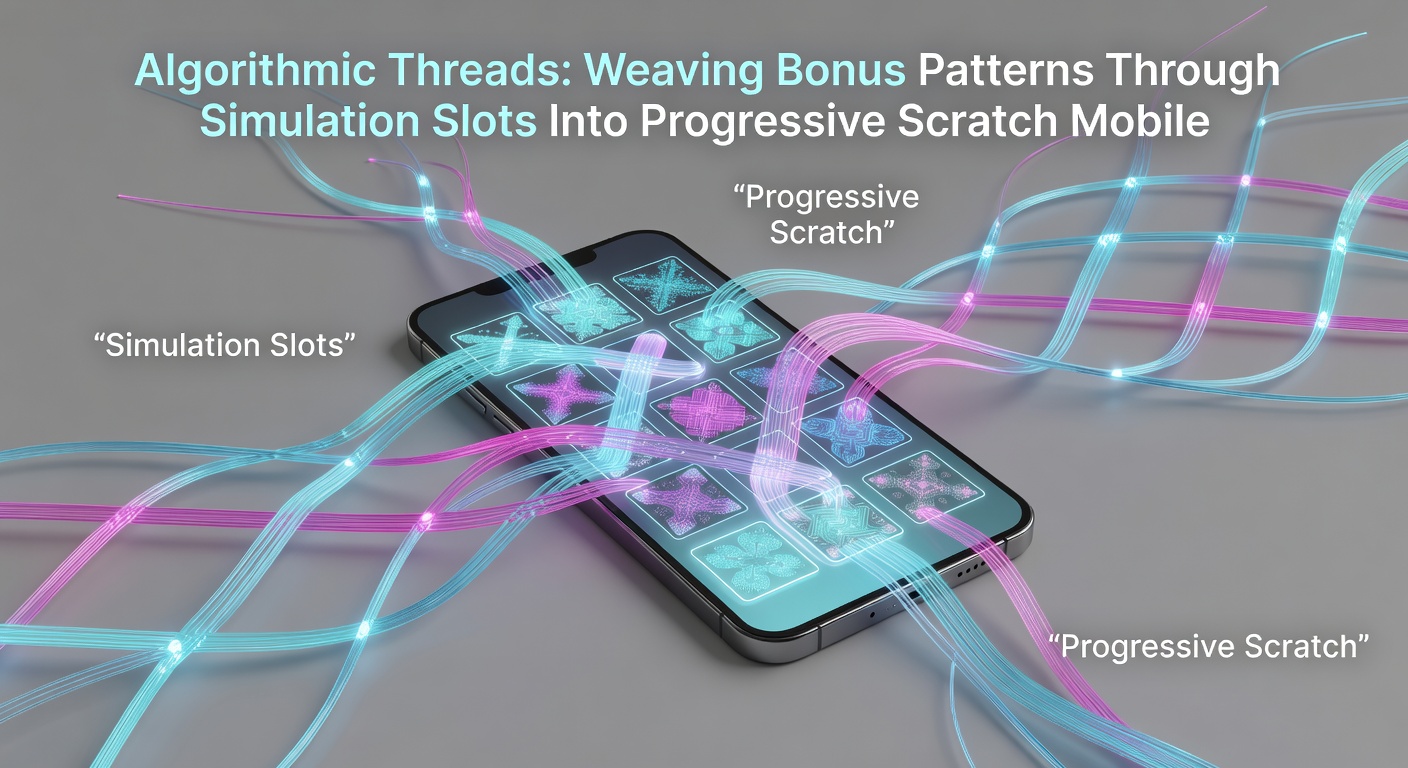
One developer case involved threading a five-tier bonus ladder through both slot simulations and scratch interfaces, where completing a simulated pattern in the free mode transferred a visible progress marker into the live scratch environment. This approach, documented in industry white papers from the European Gaming and Betting Association, allows players to carry momentum forward while the underlying algorithm continues to seed new patterns from ongoing simulations. The result appears in smoother payout curves and fewer abrupt jackpot resets, because the system anticipates demand spikes before they fully materialize.
Data Patterns and Regulatory Alignment
Regulatory bodies continue to examine how these threads maintain fairness across borders. The Australian Communications and Media Authority published compliance guidelines in early 2026 that specifically address simulation-to-live data handoffs, requiring operators to log every algorithmic adjustment for audit trails lasting at least 18 months. Compliance teams now use visualization dashboards that trace bonus pattern flows from simulation outputs straight into progressive scratch ledgers, confirming that no external manipulation can alter the pre-determined probability matrices.
Studies conducted by research groups at the University of Sydney indicate that mobile users engaging with threaded hybrids complete an average of 42 percent more sessions per week than those using non-integrated versions, largely because the visible bonus patterns provide clearer feedback loops. Those same studies record median session durations rising from 11 minutes to 19 minutes once simulation previews become standard, suggesting sustained engagement tied directly to the algorithmic continuity.
Implementation Trends Emerging in 2026
Through May 2026 developers have begun embedding lightweight neural networks within mobile clients themselves, allowing on-device simulation threads to pre-weave bonus patterns even when connectivity drops momentarily. This local processing reduces server load while preserving the integrity of progressive contributions, since final calculations still reconcile with centralized ledgers upon reconnection. Early adopters among mid-tier operators report server cost reductions of up to 18 percent alongside stable jackpot growth curves that continue climbing without interruption.
The threads also support regional customization, where algorithms adjust pattern density according to local regulatory caps on maximum multipliers. In markets with tighter limits the simulation layer simply redistributes probability mass toward more frequent smaller bonuses, maintaining overall return percentages while respecting jurisdictional boundaries. Such flexibility stems from modular code structures that separate core random generation from presentation layers, enabling rapid updates without full game redeployments.
Conclusion
Algorithmic threads continue to redefine how simulation slots feed into progressive scratch experiences on mobile devices, delivering bonus patterns that feel both predictable in structure and surprising in timing. Data collected through regulatory channels and academic research confirms measurable gains in consistency, session length, and cross-game contribution efficiency. As these systems mature further into 2026 and beyond, the integration of simulation-driven weaving techniques appears set to remain central to hybrid game design across global markets.